

No products were found matching your selection.
Choosing water bottles and carriers as a practical set
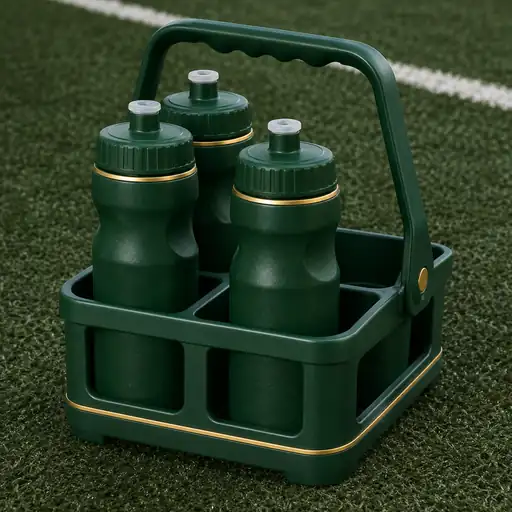
Start by deciding whether you need bottles, a carrier or a compatible combination of both. A product photograph may show a filled carrier while the listing supplies only one part, so confirm the contents before comparing prices.
Read MoreRead Less
Think about who uses the bottles, how they are identified and how the collection moves between storage and the activity area. The Sports Training & Coaching range includes other team equipment, but the drink arrangement should have its own clear purpose. Count the bottles required simultaneously and consider how the planned system will be managed during a session. A useful purchase fits the actual bottle collection and the person carrying it, rather than relying on an assumption that similarly shaped bottles fit every holder shown online.
Comparing bottle capacity, size and lid design
Capacity describes the amount a bottle is designed to hold, while external measurements determine how it fits a carrier or storage compartment. Check both, including any relevant diameter and overall height. A bottle with a similar capacity can still have a different base profile or handle arrangement. Read the material and lid information, checking how components are opened, removed or cleaned according to the instructions. Do not infer suitability for particular liquids, temperatures or cleaning methods unless the product guidance addresses them. Keep removable parts identified with the correct bottle. When replacing a single piece from an established team collection, compare the actual model and measurements rather than choosing solely by colour or the capacity printed in the product title.
Checking carrier compartments and bottle compatibility
A carrier needs to match the external shape and dimensions of the intended bottles. Read the compartment measurements and any explicit compatibility information before choosing. Team Drink Carriers can be compared as a separate category when the requirement is a holder for bottles you already own. Check the number of slots, carrying arrangement and any stated load or use guidance. A handle that appears comfortable in an empty display image may need a different practical assessment when the complete set is filled. Do not assume all bottles shown beside a carrier are supplied or that every replacement bottle will fit. Keep the relevant measurements recorded so later purchases can be checked against the same compartment dimensions rather than tested by appearance alone.
Organising bottles beside training activities
Decide where the bottles will stand so they remain accessible outside active routes, equipment collection points and doors. A station layout using Cones & Field Markers should leave a defined place for drinks rather than adding carriers wherever a small space remains. Keep individual bottles identifiable and establish who collects and returns the set after the session. If several groups rotate through activities, consider whether each needs its own carrier or whether one arrangement is managed centrally. The colour system used for Training Bibs may help identify groups, but bottle ownership and handling should remain clear independently. A consistent routine makes it easier to recognise missing parts and keeps loose containers from becoming mixed with balls, clothing or other equipment during changes of activity.
Considering transport and shared storage space
Measure the filled set's space requirements and consider the route from storage to the venue. Check carrying instructions and any stated limits for the holder rather than judging the load from the empty product alone. Store bottles and removable lids in a way that follows their cleaning and drying guidance. Avoid forcing a carrier into a compartment that bends handles or presses closures against other equipment. Club Equipment Bundles may include drink equipment among other products, but compare the exact quantity and compatibility against the collection you need. For travelling teams, plan how clean and used items remain identifiable until they can be maintained correctly. A clear inventory of bottle models, lids and carrier sizes helps replacement orders support the existing system without introducing mismatched components.
Cleaning and maintaining bottles and carriers
Follow the instructions supplied for each material and component, including any limits on dishwashers, cleaning chemicals or drying methods. A carrier and the bottles inside it may need different care, so keep those processes specific to the products. Inspect lids, seals, compartments and carrying handles as directed, setting damaged or uncertain pieces aside while you obtain the appropriate guidance. Allow cleaned items to dry as instructed before returning them to storage, and keep small removable components together without confusing different bottle designs. At Sport Roos, compare capacity, external dimensions, supplied contents and maintenance needs alongside the purchase price. Choose equipment that fits the team's carrying arrangement and can be identified, cleaned and returned consistently between regular practice sessions and events.
Water Bottles & Carriers: Keep bottle measurements with carrier details so future replacement bottles can be checked against the existing compartment dimensions and carrying arrangement.