

No products were found matching your selection.
Choosing ball bags and storage for your collection
Begin by counting the balls that need to be stored or transported together, noting their actual sizes rather than only the sport. A collection of smaller practice balls may occupy a different amount of space from the same number of larger balls.
Read MoreRead Less
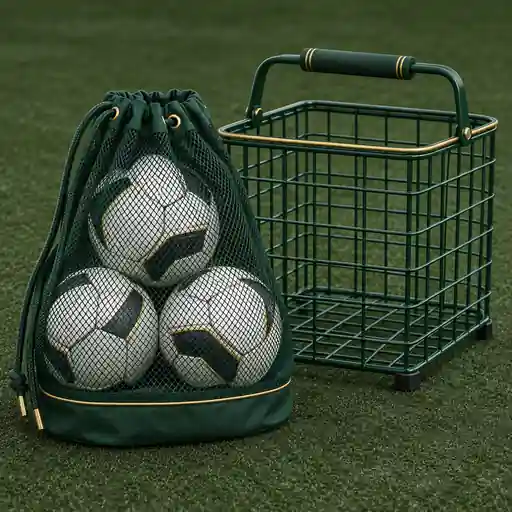
Consider whether the equipment travels to venues, remains in one storeroom or needs to be distributed between several stations. The Sports Training & Coaching collection includes tools for those different tasks, but a storage purchase should address a clear handling requirement. Compare the capacity information and intended use of each format. A bag, basket and fixed storage solution are not automatically interchangeable, even when a display photograph shows a similar number of balls arranged beside each product.
Comparing stated capacity and opening dimensions
Read capacity in the context of the ball sizes described by the manufacturer. A number of balls shown in a photograph does not establish that every other size fits in the same quantity. Check the opening and overall dimensions, including the packed format where the product is designed to collapse or fold. Consider how easily the responsible person can place balls into the container and retrieve them during a session. A narrow opening may have different practical implications from a broad basket, even when the stated volume appears similar. Retain the model and measurements if later storage needs to match an existing shelf, vehicle space or equipment arrangement. Accurate measurements make a more useful comparison than choosing a bag simply because its name includes the intended sport.
Assessing materials, closures and carrying arrangements
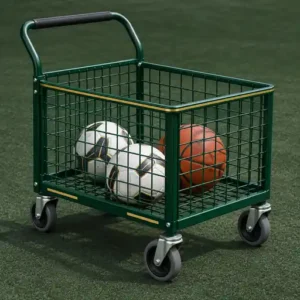
Check the fabric or frame information, handle design and closure method in the listing. A mesh sack, solid sided bag and open basket can have different handling and care needs. Do not assume a surface is suitable for every storage condition based on its appearance. Read any stated load limits and follow the instructions for lifting or moving the complete collection. If straps or other accessories are shown, confirm what is included. Keep closures and fastenings accessible rather than overfilling the container until the opening is forced shut. Equipment Trolleys may be more appropriate for moving a suitable larger load, but compatibility and capacity should be checked independently. A carrying format needs to suit the person, route and quantity involved rather than only fitting the balls when left standing still.
Organising balls for practice and station changes
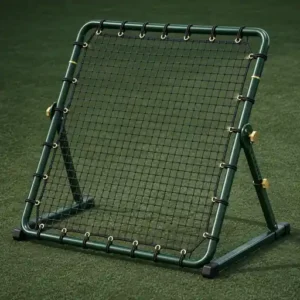
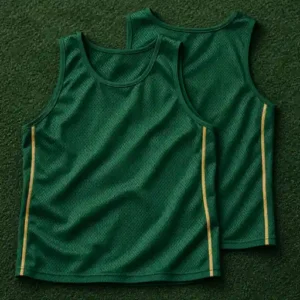
Plan how equipment will be issued and returned during the session. A collection serving several Rebounders stations may need to be divided differently from balls used by one rotating group. Keep the main storage position outside active routes and provide a clear return point so loose balls do not accumulate in walkways. Training Bibs can identify groups, but the equipment distribution process should remain straightforward without depending on participants searching through mixed storage for their assigned pieces. Check which balls belong to each activity before packing the kit. A simple inventory helps staff notice missing or unsuitable items during return, allowing the next class to begin with the correct collection instead of discovering a shortfall after stations have already been prepared.
Planning the storeroom and travelling equipment kit
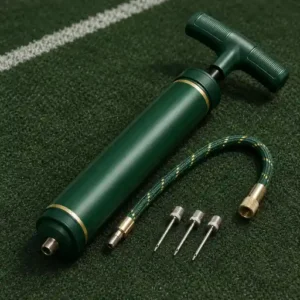
Measure shelves, doors, vehicle compartments and the route between storage and the activity area. A filled bag may be awkward to move through a narrow entrance even if the empty product fits neatly on a shelf. Keep inflation equipment and small accessories in a suitable separate compartment rather than loose beneath the balls. Ball Pumps require their own compatible fittings and instructions, so their storage should protect those parts during transport. Consider how damp or dirty equipment will be handled according to the product guidance before it returns to the ready collection. For several teams sharing a cupboard, identify containers clearly and organise them so the required kit can be retrieved without moving every other item. Storage works best when it supports counting and preparation as well as holding more equipment.
Cleaning, inspecting and maintaining ball storage
Follow the maker's care instructions for the exact materials, closures and frame components. Clean dirt using the permitted method and allow equipment to dry as directed before packing it away. Inspect handles, seams, fastenings and other load bearing parts according to the guidance, setting damaged or uncertain products aside while obtaining appropriate advice. Avoid assuming a container remains suitable for the same load simply because it still holds its shape. Keep product details for replacement fittings or matching storage purchases. Compare your shortlist at Sport Roos using ball size, capacity, overall measurements and carrying requirements together. Choose a storage format that fits the real collection and can be loaded, moved, counted and maintained consistently by the people responsible for your school or club equipment.
Ball Bags & Storage: Record capacity alongside ball size rather than relying on a photograph, making later storage purchases easier to compare with the actual club collection.