

No products were found matching your selection.
Choosing rebounders for the intended ball practice
A rebounder should match the ball and activity you plan to practise. Different return surfaces and frame designs may be intended for different applications, so read the listing rather than assuming every model suits every sport. Start with the programme, the participant and the available space.
Read MoreRead Less
Consider where the ball travels after contact as well as where the frame stands. The Sports Training & Coaching collection provides related practice equipment, but the rebounder itself needs a clear role in the session. A product image showing a particular ball is useful context, not a substitute for the compatibility information. Confirm any important specifications that are missing before buying, especially when the equipment will move between individual practice, a school group and repeated club sessions.
Comparing frame dimensions and the return surface
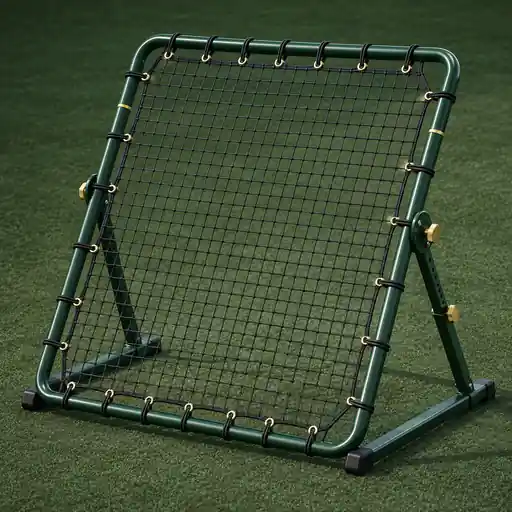
Check the full frame measurements, the dimensions of the active return area and the space occupied by rear supports. Those are separate considerations when planning a station. A close photograph can make a small frame appear larger, so use the measurements rather than estimating scale. Read the construction and return surface details, including any information about replacement components or assembly. A mesh panel and another return format should not be treated as identical simply because both are mounted in a frame. Consider how the product is intended to be tensioned or adjusted, where applicable, and retain the instructions after unpacking. When replacing equipment already used in a programme, record the current frame and surface measurements so the new option can be compared against the same intended practice arrangement.
Understanding adjustment and setup requirements
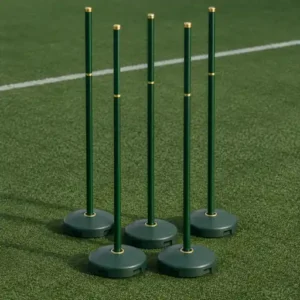
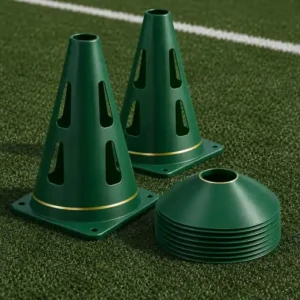
If the rebounder offers angle or height adjustments, check the actual range and how settings are secured according to the manufacturer's instructions. Do not assume a frame is adjustable or folds for storage because a photograph shows a sloping position. Confirm the supplied parts and any additional setup requirements before ordering. The support arrangement should suit the intended surface and conditions, with compatibility checked for any separate fittings. Avoid improvising a mounting or securing method based on another model. Cones & Field Markers may identify a station boundary or waiting area, but the frame's own setup needs to be addressed independently. A consistent preparation routine helps staff recognise when a component is missing or a setting is not ready, rather than discovering the issue after the activity has begun.
Planning clear space around a rebounder station
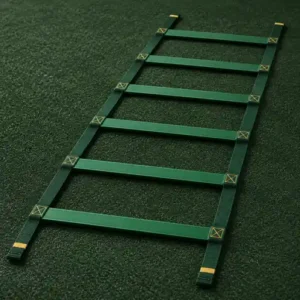
Allow for the participant's movements, the ball route and the frame's support footprint. The area needed for a session is larger than the product dimensions alone. Keep doors, traffic routes and adjacent groups outside the practice space, reviewing the arrangement whenever the venue changes. If the programme combines ball practice with Agility Ladders, plan that as a separate station with its own approach and finish. Training Bibs can distinguish rotating groups, while the waiting point should remain outside the active ball route. Use the intended ball and follow the programme rather than transferring an exercise from equipment with a different return surface. A smaller, clearly organised station can be more practical than placing a large frame in a room where staff cannot maintain the required space around it.
Selecting quantities, carrying and equipment storage
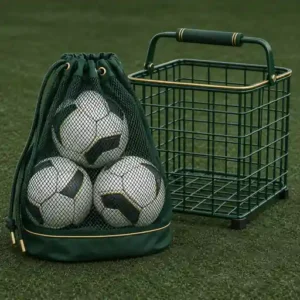
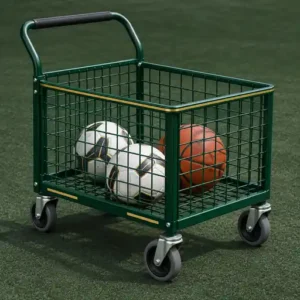
Consider whether one rebounder serves the session or whether independent stations are needed for groups working simultaneously. Compare package contents carefully: a photograph may show accessories, balls or multiple configurations that are not all supplied. Read the packed dimensions, assembly requirements and carrying weight when the frame will move between storage and the practice area. Check whether a bag is included and whether it is designed to hold all components. Ball Bags & Storage can organise the accompanying balls, but the rebounder needs its own suitable storage arrangement. Keep fittings and instructions linked to the correct frame so assembly does not rely on parts from another set. Plan how the equipment will be retrieved without blocking a doorway or requiring unrelated items to be moved every time practice starts.
Cleaning, inspecting and maintaining a rebounder
Follow the manufacturer's inspection and maintenance guidance for the frame, return surface, supports and fittings. Check the equipment before use and set damaged or uncertain components aside while obtaining the appropriate advice. Clean materials using the permitted method and allow them to dry as directed before storage, particularly after outdoor practice. Do not alter tension, attachments or support arrangements outside the instructions supplied for the model. Keep product details for compatible replacement parts and future servicing queries. Compare your shortlist at Sport Roos using intended ball compatibility, full dimensions, adjustments, included pieces and storage needs. Choose equipment that fits the programme and can be assembled, checked and maintained consistently, rather than selecting a frame solely because its display photograph resembles a station you have seen elsewhere.
Rebounders: Retain the frame model and return surface details together so future replacement fittings can be checked against the correct equipment rather than a similar image.