

No products were found matching your selection.
Choosing sports training and coaching equipment
Start with the session you want to run rather than a shopping list of accessories. A small group practising ball control needs a different arrangement from a school class rotating between activity stations. Identify the number of participants, the space available and the equipment each activity uses simultaneously.
Read MoreRead Less
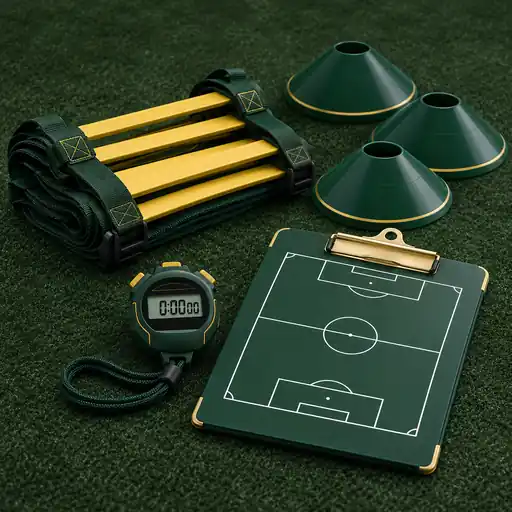
Then compare products that serve those requirements. Dimensions, quantities and intended surfaces are more useful than a photograph showing a complete display. Keep your existing equipment in mind so new purchases fill a clear gap. The Sports Training & Coaching collection brings together tools for movement activities, team organisation and equipment handling, but each listing should still be checked for its own specifications. A focused kit is easier to transport, set up and return to storage between regular sessions.
Planning movement stations and clear training lanes
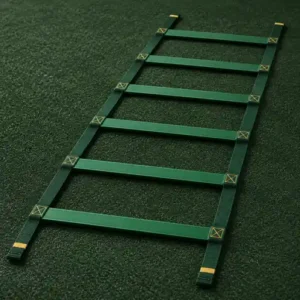
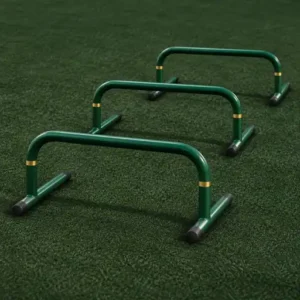
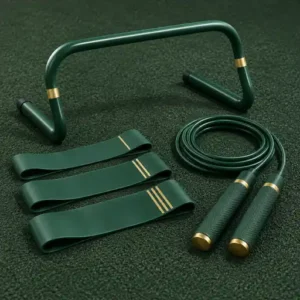
For movement activities, think about the full route a participant will travel, including the approach and finish. Agility Ladders mark out foot placement patterns, while poles and hurdles create different kinds of station. They should be selected for the exercise rather than treated as interchangeable obstacles. Consider the intended surface, the way equipment is secured and the space between adjacent groups. Allow a clear area where participants wait without entering another person's route. Equipment dimensions do not describe the full clearance needed during use. Check setup and storage instructions before choosing a format, particularly when sessions move between a sports hall and an outdoor field. A simple layout that staff can prepare consistently can be more practical than a complex course requiring equipment that is difficult to transport or identify.
Using markers and bibs to organise groups
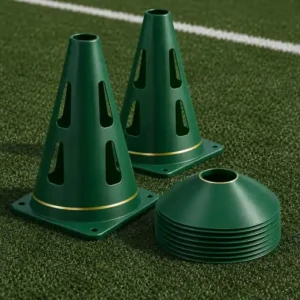
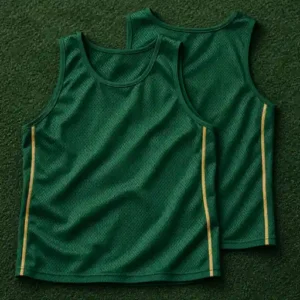
Markers help define activity areas, lanes and waiting positions, while bibs make groups easier to distinguish during games. Compare Cones & Field Markers by profile, dimensions and quantity, then choose colours with the setting and your planned instructions in mind. Low markers and upright cones have different shapes and should suit the intended activity. For Training Bibs, check the sizing guidance and package contents rather than assuming every participant needs the same fit. When several teams or stations operate together, count the items required at one time and plan how they will be distributed. Keep spare pieces identifiable so missing equipment is noticed before the next class. Clear organisation makes it easier to reset an activity without repeatedly stopping to search for a marker or exchange an unsuitable bib.
Selecting coaching and ball practice essentials
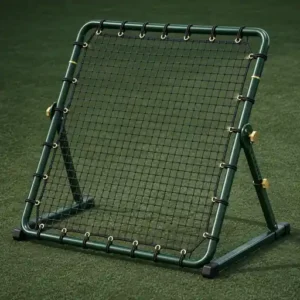
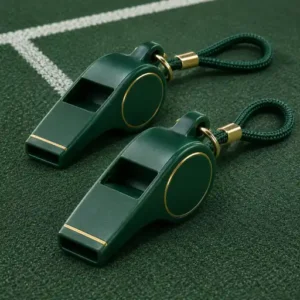
Choose practice equipment around the ball type, activity and available space. Rebounders can differ in frame size, surface design and adjustment options, so read the intended use and setup guidance before selecting a model. A display image does not establish compatibility with every sport or ball. Coaches may also need a clipboard, whistle or stopwatch to manage the planned session. These smaller items still require attention to format, controls and included accessories. Check whether a product is supplied individually or as part of a set, and avoid assuming a pen, lanyard or carrying bag is included because it appears nearby in a photograph. Start with the tools that support the programme you actually run, then add equipment when it has a distinct role in practice.
Allowing for transport, water and equipment storage
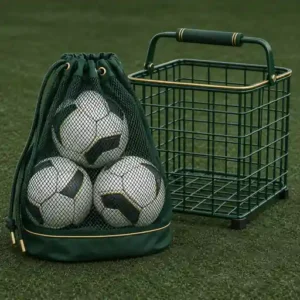
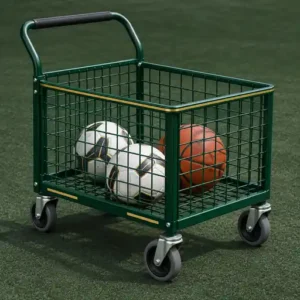
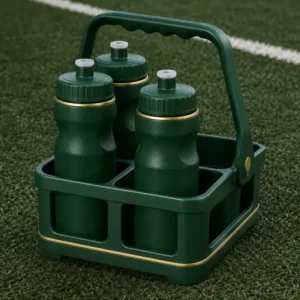
A session kit needs a workable route from the storeroom to the activity area. Consider doors, paths, vehicle space and the weight or packed dimensions of the complete collection. Ball Bags & Storage offers formats to compare by ball capacity, opening size and carrying arrangement, with actual product specifications checked before buying. Larger equipment may need a trolley or dedicated rack rather than being added to an already full bag. Plan where water bottles and team carriers will stand so they remain accessible outside active routes. For shared facilities, identify who collects, distributes and returns each item. Storage is most useful when it helps staff see what is available and notice damage or missing pieces, rather than simply allowing more equipment to be packed into the same cupboard.
Maintaining a consistent school or club equipment kit
Check equipment according to the manufacturer's instructions before returning it to use. Fabric bibs, inflatable balls, metal frames and electronic timing tools need different cleaning and storage methods. Keep product information available for replacement parts and compatibility checks. After a session, count the pieces, separate damaged items and allow cleaned equipment to dry as directed before packing it away. Review the kit against the activities you run throughout the term or season instead of replacing items solely by appearance. When comparing additions at Sport Roos, consider the complete package, measurements, setup needs and ongoing care alongside price. A practical equipment collection is one your staff can identify, prepare, maintain and store consistently, with every item selected for a clear purpose in the sessions it supports.
Sports Training & Coaching: Keep an inventory of the equipment used by each regular session so replacement purchases address a real requirement rather than adding another unused accessory.