No products were found matching your selection.
Cycling equipment for your regular rides
Cycling equipment works best when chosen around the bicycle, rider and routes involved. A local recreational outing can create different priorities from a daily journey with equipment to carry. Begin by identifying how you intend to ride, then consider what your current setup already provides.
Read MoreRead Less
A useful purchase should address a specific need rather than duplicate a function simply because the accessory looks convenient. Bikes, helmets, clothing and maintenance items each require their own sizing or compatibility checks. Compare those details before choosing colours or optional features. If several people share equipment, establish which items are genuinely suitable for everyone and which need individual fitting. A clear list makes it easier to organise a practical kit and notice anything missing before the next ride.
Choose a bicycle around fit and intended use
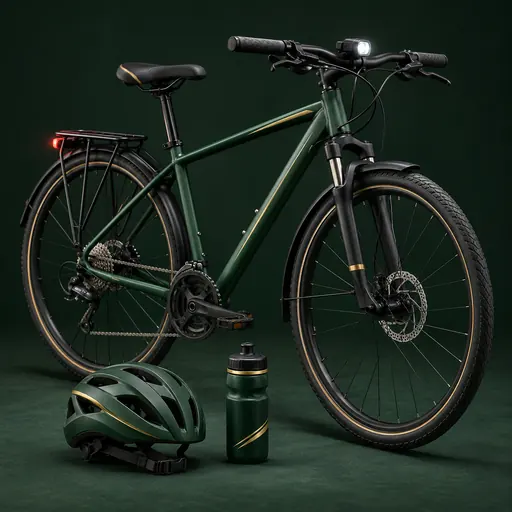
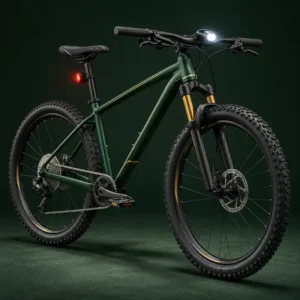
Different bicycle designs are intended for different riding settings, so read the model description before comparing components. Frame dimensions, wheel size and adjustment information need to suit the rider, while the overall design should match the routes you use. A familiar size label does not establish the correct fit across every model. Check assembly requirements, included equipment and the guidance for setup before ordering. Some adjustments or maintenance tasks require appropriate knowledge and tools, so arrange suitable support where needed. Do not assume a photograph shows every component supplied or that a bike intended for one surface suits every other setting. Think about transport and storage too, since a bicycle that is difficult to keep or carry may be inconvenient despite an appealing specification.
Compare helmets and clothing thoughtfully
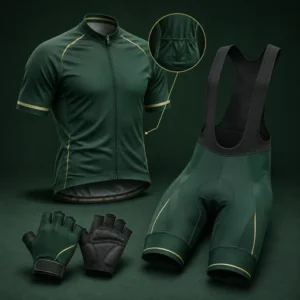
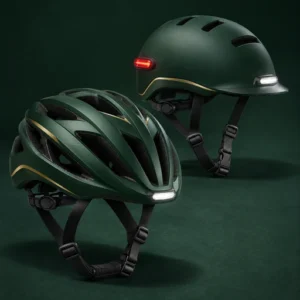
Select a helmet intended for the activity, checking the product’s approval information and the requirements applicable to where it will be used. Fit is individual, so use the manufacturer’s measurements and fitting instructions rather than relying only on an adult or kids label. Clothing also benefits from a size chart and an assessment in the position used while riding. Compare seams, coverage, closures and pocket placement as well as fabric information. A garment should work comfortably with your usual equipment without loose sections interfering with it. Weather protection and reflective details need to be confirmed for the particular item. Avoid assuming every product within a broad category shares the same features. Practical selection starts with a suitable fit and intended use, then adds the details you personally value.
Organise visibility, security and carrying needs
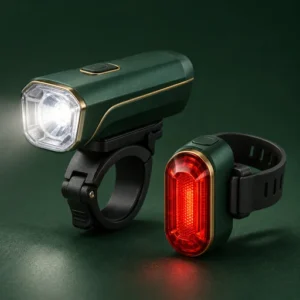
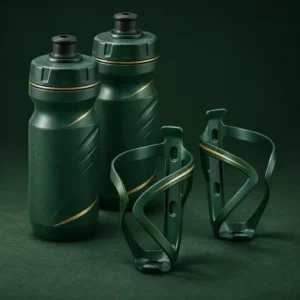
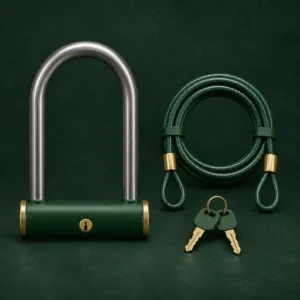
Lights, locks and carrying accessories solve different problems, and each needs to suit your bicycle and routine. Check light mounting dimensions, power requirements and the modes provided before choosing. Read current local riding requirements separately rather than assuming a category description establishes compliance. For locks, compare usable dimensions, operation and carrying arrangements against the places you normally leave the bike. No lock should be treated as a guarantee against theft. Bottles and cages also need a compatibility check, including bottle size, frame clearance and attachment requirements. Plan where equipment will sit so it does not interfere with controls or ordinary movement. Test the complete arrangement before a longer ride and make adjustments according to the relevant instructions instead of improvising an overloaded setup.
Check compatibility before buying accessories
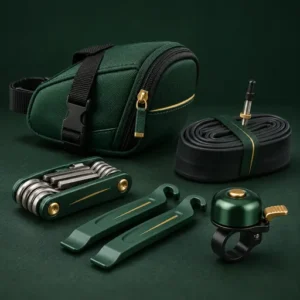
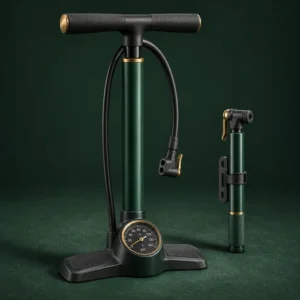
A pump, mount or replacement component may depend on an exact valve type, diameter or fitting arrangement. Similar appearance does not mean two parts will work together. Confirm the specifications of your existing bicycle and compare them with the item you intend to add. Check what is included and whether tools, adapters or fasteners are separate. A useful description should help you understand the intended application without requiring you to invent missing details. If the information is unclear, obtain the correct model guidance before choosing. Think about ongoing care and replacement components as well as the initial purchase. Equipment that works with your current setup and can be maintained easily is generally more practical than a feature rich accessory that needs an unsuitable mounting position or incompatible connection.
Keep your cycling kit ready between outings
Follow each manufacturer’s instructions for cleaning, inspection and storage. Remove dirt from equipment using a method suitable for its materials, and dry damp clothing or accessories before closing them away. Check straps, fastenings, mounts and connections for wear. Manage rechargeable devices and replacement batteries according to their guidance, keeping the correct cables or components organised. Review tyre inflation using the specifications for the bicycle components rather than applying one pressure to every setup. Arrange appropriate servicing where a task is outside your knowledge. A simple pre-ride routine is easier when equipment has a consistent storage place and problems were noted after the previous outing. Reassess the kit as routes, seasons and riding frequency change so the items you carry continue to serve a clear purpose.
Compare Bikes, Cycling Helmets, Cycling Clothing, Bike Lights and Bike Accessories to organise the rest of your cycling kit. Visit Sport Roos to explore equipment for your next ride.