No products were found matching your selection.
Bikes selected for the way you intend to ride
Bikes should be compared around the rider and the routes used most often. A design intended for casual path riding can have different priorities from one intended for rougher tracks or regular travel. Start with the model’s stated purpose, then examine the sizing and components in that context.
Read MoreRead Less
Do not assume that a rugged appearance makes a bicycle suitable for every surface or activity. Think about the frequency and length of rides, what you need to carry and where the bike will be kept. Your existing experience can also provide a useful reference: note which riding position or controls felt comfortable on a previous bicycle. Those practical details help create a shortlist that reflects your routine rather than a purchase based only on colour or a long specification list.
Use frame and rider sizing information together
A bicycle’s fit involves more than a single size label. Review the manufacturer’s frame dimensions, rider guidance and adjustment information for the exact model. Wheel size can be relevant without establishing the complete fit on its own. The rider needs to be able to use the controls and manage the bicycle appropriately, so do not choose solely from height or an age label when more detailed information is provided. If you are unsure about fit, arrange suitable individual assistance rather than assuming every bicycle with the same nominal frame size feels identical. For growing riders, a substantially oversized bicycle is not automatically a sensible way to extend use. Compare the actual design and guidance, and reassess requirements when the rider or intended activity changes.
Read component specifications in context
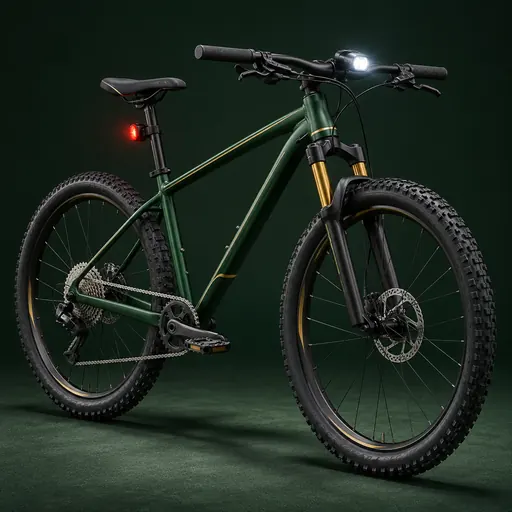
Gearing, braking systems, tyres and frame construction vary between models. Compare those details with the stated riding purpose rather than treating a higher number or more technical label as an automatic advantage. Check whether equipment shown in photographs is included and whether any components differ across sizes or versions. Read the product information for the exact configuration you are considering. A component that is appropriate for one bicycle may not be compatible with another, even when it looks similar. Do not plan upgrades by appearance alone. Consider how the equipment will be maintained and whether the instructions or suitable servicing support are available. The most useful specifications explain how the bicycle fits your riding routine, rather than simply making a longer list to compare without a clear purpose.
Confirm assembly and initial setup requirements
Check how the bicycle is supplied and what assembly, checking or adjustment is required before use. Packaging designed for transport does not mean every component is ready to ride immediately. Follow the manufacturer’s instructions and arrange qualified assistance where the work is outside your knowledge or tools. Confirm the included parts, manuals and any required fasteners instead of assuming a photograph provides a complete packing list. Keep packaging and return conditions in mind during initial assessment. Learn the normal operation of controls and the appropriate inspection routine before heading out. Do not improvise changes to make incompatible parts fit. A careful setup process is part of choosing a bicycle, because the convenience of delivery needs to be considered alongside the work needed to prepare it correctly.
Plan storage, transport and useful accessories
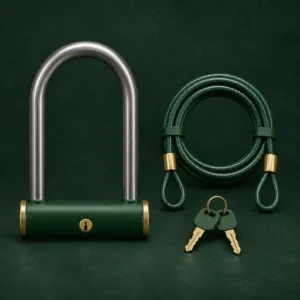
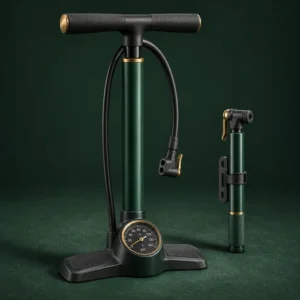
Think about where the bicycle will be stored and how it will reach the places you ride. Check dimensions and any restrictions before choosing a carrier or storage accessory. A compatible lock, pump, lighting setup and bottle arrangement can be useful additions, but each needs its own fitting check. Do not assume that every frame has the same attachment points or available clearance. If you intend to use a particular accessory, compare its requirements with the bicycle before ordering both. Keep equipment from interfering with controls or normal movement and follow the mounting instructions. Review the current requirements for your intended riding location separately. A practical setup should make preparation easier while keeping the bicycle suitable for the use described by its manufacturer.
Maintain the bicycle according to its guidance
Retain the manual and follow the inspection and servicing information for the specific model. Clean the bicycle with methods suitable for its materials and components, avoiding unapproved products or adjustments. Check tyres and inflation against the relevant component specifications, and monitor wear in parts used regularly. If a brake, steering component or other essential part behaves differently, arrange appropriate inspection rather than relying on guesswork. Keep compatible replacement parts organised and do not assume every tool or fitting is universal. Store the bicycle in suitable conditions and protect it during transport as directed. A routine check before each ride is easier when maintenance needs have been addressed between outings. Reassess the bicycle’s suitability if your routes or riding style move beyond the purpose for which it was originally chosen.
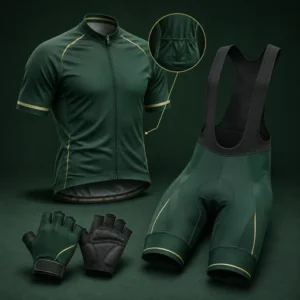
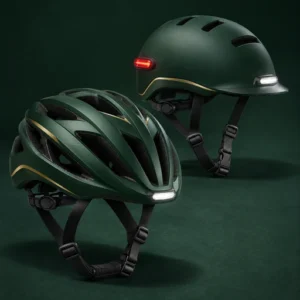
Compare Cycling, Cycling Helmets, Bike Lights, Locks and Pumps to organise the rest of your cycling kit. Visit Sport Roos to explore equipment for your next ride.