No products were found matching your selection.
Bottles and cages for your bicycle setup
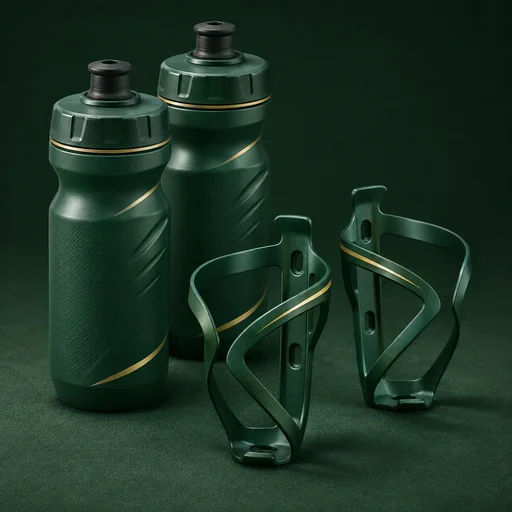
Bottles & Cages should be chosen as compatible parts of the bicycle rather than separate accessories that happen to look coordinated. Begin with the space available on the frame and how you intend to carry water during your regular rides.
Read MoreRead Less
A bottle that works well at home may not suit the cage or clearance on a particular bike. Check the individual product details for dimensions, intended use and the components supplied. Do not assume every listing includes both a bottle and a cage, even when they appear together in an image. Think about access, removal and cleaning as well as capacity. A practical arrangement should suit the bicycle and remain straightforward to use, with no need to force an unsuitable bottle into a holder or improvise an attachment.
Compare bottle capacity with actual dimensions
A stated capacity helps describe how much a bottle holds, but height, shape and diameter also affect compatibility. Check the dimensions against the cage and the frame space around it. Some frames provide less removal clearance than others, so the largest capacity is not automatically the most convenient choice. Consider how the lid or drinking closure works and whether it can be operated as intended. Read material and use information before assuming the bottle is suitable for particular liquids, temperatures or cleaning methods. A clear product description should establish those details without requiring you to guess from appearance. Choose around the trips you actually do, keeping the carrying arrangement manageable rather than selecting a larger container simply because its headline capacity seems better than a smaller alternative.
Check cage mounting and frame clearance
Cages can depend on particular mounting points, fasteners or alternative attachment arrangements. Confirm the requirements for the exact model and compare them with your bicycle before ordering. Do not assume every frame provides the same fittings or that all bolts are supplied. Check how the cage is oriented and how the bottle enters and leaves it. Side access and other layouts may serve particular arrangements, but those features should be confirmed in the specifications. Follow the mounting instructions and avoid unapproved modifications to the cage or frame. Ensure the fitted equipment does not interfere with controls, moving parts or ordinary use of the bicycle. A useful compatibility check includes the complete mounted position, not only whether two holes or a strap appear to line up.
Understand retention, access and supplied components
A cage should be used with the bottle sizes and shapes it is intended to hold. A loose fit or excessive force during insertion calls for a closer compatibility review rather than an improvised adjustment. Read how the design is installed and used, including any manufacturer permitted adjustment. Check whether the package includes a bottle, cage, fasteners or other components, and assess each item separately where a set is supplied. A colour match does not establish that an existing bottle has the right dimensions. Consider the clearance needed when the bicycle is loaded with your usual bags or other accessories. Test access in a stationary setting before relying on the arrangement during a ride. The most practical setup gives the equipment a secure, appropriate position without creating an awkward packing or removal process.
Plan carrying needs for your usual rides
Think about route length, conditions and access to refills when deciding what carrying capacity is useful. A bottle’s maximum capacity should not be treated as personal hydration advice or a promise that one container suits every outing. If additional carrying equipment is needed, choose compatible items rather than overloading a cage or attaching containers beyond its stated purpose. Check the complete setup before leaving and make detailed adjustments while stopped somewhere appropriate. Keep frequently used equipment accessible without interfering with normal operation of the bicycle. Review the arrangement when changing frames, bags or other accessories, as a previously convenient position may no longer work. A practical system is based on your own route and equipment, with the limitations of each component understood rather than assumed away.
Clean bottles and inspect cages between uses
Follow the manufacturer’s instructions for washing the bottle, lid and drinking closure, including any restrictions on dishwasher use, heat or cleaning products. Separate permitted parts as directed and let them dry thoroughly before storage. Residue can remain around closures, so check those areas rather than cleaning only the main body. Inspect the cage, attachment points and fasteners according to their guidance, watching for damage or a change in retention. Do not use an unverified repair to make a damaged holder grip again. Keep compatible replacement parts organised and reassess the bottle if its closure or body becomes unsuitable for use. Store equipment clean and dry, and review the mounted arrangement before the next outing. Regular care makes it easier to distinguish a simple cleaning need from a component that requires further attention.
Compare Cycling, Bikes, Cycling Clothing, Pumps and Bike Accessories to organise the rest of your cycling kit. Visit Sport Roos to explore equipment for your next ride.