
No products were found matching your selection.
Cycling clothing that fits your usual rides
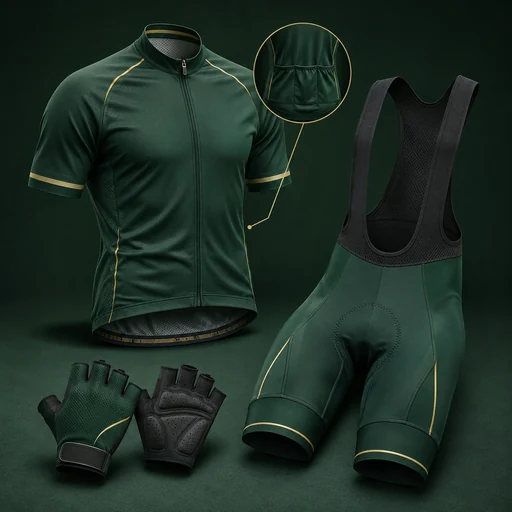
Cycling Clothing should reflect your regular routes, the conditions you encounter and the position in which you ride. A short local outing can need a different outfit from a longer session or a journey with changing weather.
Read MoreRead Less
Begin with the garments you already use and identify what feels awkward or missing. A new piece should serve a clear purpose rather than duplicate something that works well. Some riders prefer a close fit, while others choose a more relaxed style for everyday use. Compare the stated cut and measurements before selecting from colour alone. A practical wardrobe can be small if the pieces work together. Think about laundry and storage too, since clothing that is difficult to prepare between rides may be less convenient despite an appealing feature list.
Check measurements and fit in the riding position
Size labels vary between brands, so compare your measurements with the individual chart and read any cut or fit notes. A garment assessed only while standing may feel different when reaching towards the bicycle controls. Check sleeve length, back coverage, waistband position and any areas where fabric pulls during movement. Avoid loose sections that interfere with the bicycle or other equipment. If layering is part of your routine, consider the intended combination rather than sizing every item in isolation. Closures and seams should sit comfortably without concentrated pressure. A different size may change length as well as width, so review the complete proportions. Follow return conditions during initial fit assessment and keep labels or packaging intact where required until you have checked the garment appropriately.
Compare fabric and garment construction
Fabric composition, stretch, seam placement and lining arrangements can influence the feel of cycling apparel. Read the individual product details rather than assuming every lightweight top handles moisture in the same way or every close fitting short has the same construction. Features such as padding, ventilation panels or particular finishes need to be confirmed for the model. Check how the garment is intended to be worn and whether it requires particular care. More technical terminology does not automatically mean a better match for your routine. The most useful details explain a difference you actually value, such as pocket layout or a closure that is easier to manage. Compare the complete garment with your riding needs instead of selecting solely from one material name or a prominent performance claim.
Plan layers for the conditions you expect
Weather can change between the start and end of a ride, so consider how a removable layer will be worn and carried. Check ventilation and closure arrangements as well as stated protection. Water resistant and waterproof descriptions have different implications and should be read with their limitations. A garment’s general outdoor styling does not establish a particular level of weather protection. Think about the forecast and where you can adjust your setup, rather than expecting one piece to suit every season. Reflective or bright details should be confirmed in the specifications, and clothing should not be treated as a substitute for suitable bicycle lighting or other required equipment. A useful layering plan is one you can manage comfortably without overfilling pockets or creating loose items around the bicycle.
Check pockets and compatibility with other equipment
Pocket dimensions, closures and placement matter when carrying a phone, keys or a compact layer. A pocket that holds an item while standing may feel different once you are riding, so assess it with a representative load. Do not assume a zip makes a compartment waterproof. Keep hard or sharp objects from damaging fabric or delicate equipment. Try the clothing with your usual helmet, carrying setup and other garments to identify overlapping straps or seams. If more storage is regularly required, consider an appropriate compatible carrier rather than overloading apparel. Test unfamiliar clothing on a shorter familiar ride before relying on it for an extended outing. Notice rubbing or restricted movement early and review fit or packing rather than assuming every uncomfortable detail will disappear with repeated use.
Wash and store garments according to their labels
Read each care label and follow the guidance for its fabrics, padding and fastenings. Empty pockets, close zips as directed and keep rough closures from catching delicate material. Do not assume bleach, fabric softener, hot washing or tumble drying is appropriate. Let damp garments dry promptly instead of leaving them inside a closed kit bag. Inspect seams, elastic and closures for wear while preparing the next outfit. Store clean pieces where complete combinations are easy to find, which can make getting ready more straightforward. If the garment has specialist construction, retain the instructions so care does not depend on memory. Review fit and condition as your riding routine or the seasons change, keeping the clothing useful for the sessions you actually do.
Compare Cycling, Bikes, Cycling Helmets, Bike Lights and Bottles & Cages to organise the rest of your cycling kit. Visit Sport Roos to explore equipment for your next ride.