No products were found matching your selection.
Cycling helmets selected for the intended activity
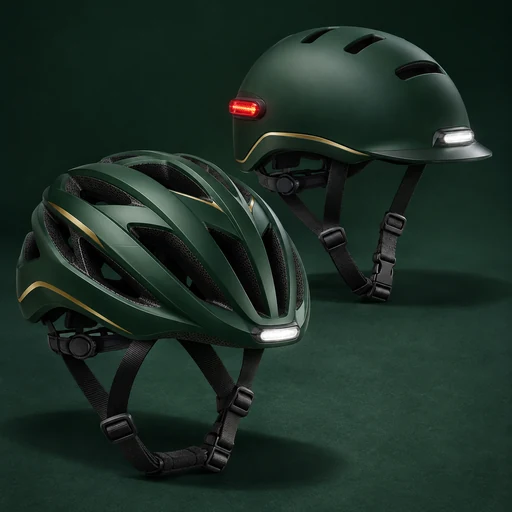
Cycling Helmets need to be chosen for their stated purpose and the individual rider. Begin with the activity described for the model, checking the product’s approval information and suitability for where it will be used. Different helmet types should not be assumed interchangeable simply because they cover the head.
Read MoreRead Less
An adult or kids category label is also only a starting point: the actual size range and fit need to be checked. Avoid choosing solely from colour, ventilation count or a streamlined appearance. Those details can help compare otherwise suitable options, but they cannot establish the correct application. Keep the manufacturer’s information available during selection, and use the exact model guidance rather than relying on assumptions from a similar looking helmet you have owned before.
Compare head measurements with the size range
Use the measurement method and size chart provided for the helmet you are considering. Check the stated adjustment range rather than assuming a letter size is identical across brands. Head shape can also affect how a helmet feels, so a measurement narrows the options without completing the whole fit assessment. Follow the supplied instructions when trying the helmet and using its retention system. If the shell or adjustment arrangement creates pressure or does not hold the helmet appropriately, reassess the model or size instead of compensating with excessive strap tension. A helmet chosen for someone else should still receive an individual fit check. When shopping for children, do not buy a substantially oversized model merely to allow for growth; use the current fit guidance and review it as the child grows.
Understand adjustments and everyday operation
Retention controls, straps and buckle arrangements differ between models. Read how each is adjusted and secured, then practise operating it before riding. Learn which parts control the fit and avoid making changes beyond those permitted by the manufacturer. Check that the complete arrangement is comfortable and that you can use the buckle correctly. An adjustment dial or additional feature is useful only when it works with an appropriate shell size and shape. Do not assume every helmet includes the same system, even within a single collection. If a component is missing or damaged, confirm the correct replacement or action rather than fitting an improvised part. Straightforward operation matters for regular use, especially where a rider needs help learning to fasten or check their own equipment.
Assess practical features after suitability and fit
Ventilation, padding, visor arrangements and stated weight can influence personal preference, but compare them after establishing the intended use and appropriate fit. Check whether pads or other components are removable and which care methods are permitted. A visor shown in a photograph may have a particular attachment arrangement, so do not add a similar looking part without confirmed compatibility. Accessories that attach to a helmet should be used only where the manufacturer allows them. Consider how the helmet works with other equipment without making unapproved modifications. Product descriptions should explain features without being treated as a promise of a particular outcome. Choose a model you can wear and operate correctly, keeping optional details in proportion to the basic requirements of suitable use and individual fitting.
Build a consistent helmet checking routine
Follow the manufacturer’s positioning and fastening instructions every time the helmet is used, rather than relying on adjustments made long ago. Check that the size still suits the rider and that the retention parts remain in good condition. Growing children and shared equipment deserve particular attention because a previous setting may no longer be appropriate. Keep a record of the model and instructions so care information can be found easily. If the helmet has been damaged or involved in a crash, replace it rather than judging continued use only by its appearance. Do not rely on an unknown history when selecting used equipment. A routine check is practical preparation, not a reason to assume a helmet removes every risk involved in riding or makes unrelated equipment checks unnecessary.
Clean and store the helmet as instructed
Use only the cleaning methods and products permitted for the helmet’s shell, liner, pads and straps. Strong chemicals, heat or unapproved modifications can be unsuitable, so retain the care guidance instead of treating the helmet like ordinary sportswear. Allow it to dry as directed and store it where it is protected from unnecessary pressure or damage. Inspect buckles, straps and other components during ordinary care, following the replacement information for the model. Keep the helmet separate from sharp or heavy items in a bag. Do not use an appearance check as the only basis for deciding whether damaged equipment remains suitable. Organising storage and instructions makes it easier to notice a missing part or a change in condition before preparing for another ride.
Compare Adult Bike Helmets, Kids Bike Helmets, Cycling Clothing, Bike Lights and Bike Accessories to organise the rest of your cycling kit. Visit Sport Roos to explore equipment for your next ride.