No products were found matching your selection.
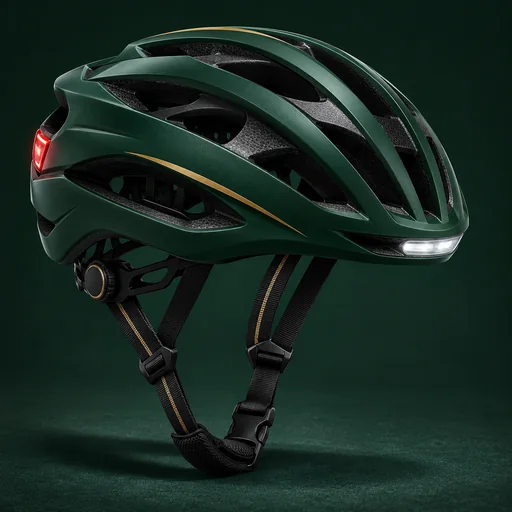
Adult bike helmets for individual riders
Adult Bike Helmets should be selected for the person wearing them, with the intended activity and appropriate product information checked first. An adult label does not establish a universal fit, and a familiar brand may offer several different shell shapes or adjustment ranges.
Read MoreRead Less
Begin by identifying the riding use described for the model and the requirements relevant to where you intend to ride. Compare the exact product details rather than assuming every helmet with a similar appearance has the same purpose. Styling can be a useful preference after suitability is established, but it should not lead the selection. Think about how the helmet will be used, carried and stored during your normal routine. A practical choice is one you can fit and operate correctly, with clear instructions available for ongoing care.
Use the model’s measurements and fitting guidance
Follow the manufacturer’s measurement method and compare the result with the size range for the individual helmet. Letter sizes are not consistent across every brand, and a number alone cannot describe how a shape feels on your head. Use the supplied fitting instructions when assessing the complete helmet. If the adjustment does not produce an appropriate fit or a particular area creates pressure, reconsider the size or model instead of pulling the straps excessively tight. A helmet borrowed from another rider still needs its own assessment, even if both people usually wear similar clothing sizes. Keep the product information available while comparing options. The aim is an individual match, rather than choosing a larger shell on the assumption that more adjustment will always compensate for the difference.
Compare retention systems and fastening operation
Check how the helmet’s adjustment controls, straps and buckle are intended to work together. Different models can use different arrangements, so familiarity with one system should not replace reading another model’s instructions. Practise securing and releasing the buckle in a familiar setting before riding. Learn which parts are user adjustable and avoid modifying components beyond the permitted process. A retention dial or other feature is useful only as part of an appropriate overall fit. Confirm any replacement part compatibility rather than assuming a similar strap or pad will suit. If an adjustment seems damaged or uncertain, obtain the correct guidance instead of improvising. Easy everyday operation can make a helmet more practical, but convenience remains secondary to suitable intended use and correct individual fitting.
Consider ventilation and optional features carefully
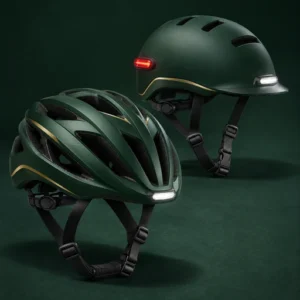
After reviewing suitability and fit, compare ventilation, padding, visor arrangements and stated weight according to your preferences. Look at how removable components are handled and whether their care requirements suit your routine. Do not assume every model has a detachable visor or that an accessory shown beside it is included. Helmet mounted additions should be used only where the manufacturer permits them and with confirmed compatibility. Consider how the helmet works with your normal eyewear or other equipment without forcing an unsuitable arrangement. A streamlined shape or a specialist feature name does not on its own establish the right choice. Read the complete description and choose features you understand and value, rather than treating the longest list as a substitute for an appropriate size and clear operating instructions.
Prepare for consistent use and condition checks
Use the manufacturer’s positioning and fastening process whenever you put the helmet on. Check that adjustment parts still work as intended and that the fit has not changed. Keep instructions and model details accessible, especially if the helmet is used less frequently or shared equipment needs different settings. A helmet damaged or involved in a crash should be replaced rather than retained only because the outside appears acceptable. An unknown history also makes it difficult to assess equipment confidently. Avoid treating a helmet as a reason to overlook the condition of the bicycle or the demands of a route. Its role belongs within a complete riding setup. Regular preparation should be straightforward and based on the actual instructions, not a series of remembered assumptions from a different product.
Care for the shell, liner and straps
Follow the permitted cleaning methods for each part of the helmet, including pads, straps and any adjustment components. A cleaner suitable for clothing or a bicycle frame may be unsuitable for helmet materials. Avoid unapproved chemicals, heat or modifications, and dry the equipment as directed before storage. Keep it away from sharp or heavy objects that can cause damage in a bag or cupboard. Inspect the retention parts and visible construction during ordinary care, following the model’s replacement guidance. Do not rely on cleaning to resolve a damaged component or uncertain history. Store the helmet where it can be found and checked easily before a ride. A simple care routine also helps keep compatible removable parts together and the instructions available when something needs clarification.
Compare Cycling, Cycling Helmets, Kids Bike Helmets, Cycling Clothing and Bike Lights to organise the rest of your cycling kit. Visit Sport Roos to explore equipment for your next ride.