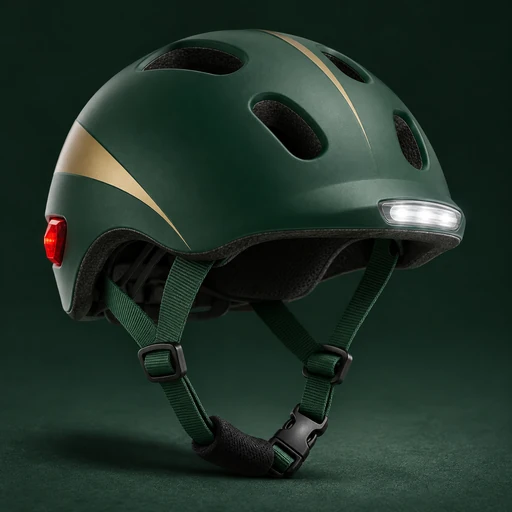
No products were found matching your selection.
Kids bike helmets chosen for the child and activity
Kids Bike Helmets need to suit the individual child and the activity for which the helmet is intended. Begin with the product’s approval information and stated purpose rather than selecting solely by age, colour or a favourite design.
Read MoreRead Less
A category label cannot confirm that every helmet suits every wheeled activity, so read the exact model details. The child should be involved in describing comfort, while an adult checks the fit and instructions. A helmet that is appealing to wear still needs an appropriate size and working retention system. Think about how it will be carried, stored and checked between outings. A practical choice combines clear product information with an individual assessment, avoiding assumptions that all children of a similar age or height need the same helmet.
Measure for the current fit rather than future growth
Use the manufacturer’s measurement method and size chart for the specific model. A familiar size name from another helmet is not enough to establish the right range. Growing children need repeated checks, since a setting that worked previously may no longer be suitable. Do not buy a substantially oversized helmet simply to extend how long it might be used. Follow the supplied instructions when assessing the shell and retention arrangement, and reassess the model if appropriate adjustment cannot be achieved. Ask the child about specific pressure points rather than relying only on a general question about comfort. Keep the measurement and product details with your records if that makes future checks easier. The purchase should meet the child’s needs now, with growth handled through review rather than excessive spare space.
Teach fastening while keeping adult checks
Straps, buckles and adjustment controls differ between models, so learn the exact operating process before teaching it to the child. Practise putting the helmet on and taking it off in a familiar setting. A child becoming independent still needs an adult to confirm the fit and fastening are correct. Check which components may be adjusted and avoid unapproved changes to make the helmet feel different. Do not substitute a similar looking buckle, pad or strap without confirmed compatibility. If the child finds a closure difficult, review the model and instructions rather than leaving it loosely secured. A routine that is easy to understand can make preparation more consistent. Keep the focus on correct use of the complete system, rather than assuming that a closed buckle alone completes every fitting check.
Compare comfort details without overlooking suitability
Ventilation, padding, adjustment layout and stated weight can influence how a helmet feels, but these details should be compared after intended use and appropriate fit are established. Check whether pads can be removed and how they should be cleaned. Read what is included rather than assuming every pictured accessory comes with the helmet. Avoid attaching decorative or other items unless the manufacturer specifically permits them. An addition that looks harmless may not be part of the helmet’s intended configuration. If the child uses eyewear or other equipment, assess the combination according to the relevant guidance instead of forcing an awkward fit. Colour can be a useful final preference between suitable options, helping involve the child without allowing appearance to replace the basic product and fitting checks.
Make checking and removing the helmet a habit
Follow the fitting instructions before each ride and review condition whenever the helmet is handled. Replace a helmet that has been damaged or involved in a crash rather than judging suitability only by its appearance. Keep track of its history and do not rely on unknown previous use when choosing equipment for a child. The helmet should be removed when the child is no longer riding, including before play on equipment where it could catch. Build this into the same routine as putting the bicycle away. Growing riders may need reminders, and adult oversight remains useful even when they can operate the buckle themselves. A clear routine helps distinguish riding equipment from an item to keep wearing during unrelated play or throughout the rest of the day.
Store and maintain junior helmets properly
Use the cleaning products and methods permitted for the shell, liner, pads and straps. Do not assume a helmet can be washed like ordinary clothing or treated with a household cleaner. Dry it according to the instructions and store it away from excessive heat, sharp objects and heavy items. Keep removable components together and inspect closures and adjustment parts during ordinary care. If something is damaged or missing, follow the manufacturer’s guidance rather than improvising a repair. Make the storage place easy for the child to use without throwing the helmet into a crowded bag. Retain model details and fitting instructions for future checks. Good care supports clear awareness of condition, while regular size reviews remain necessary as the child grows and their riding routine develops.
Compare Cycling, Bikes, Cycling Helmets, Adult Bike Helmets and Bike Lights to organise the rest of your cycling kit. Visit Sport Roos to explore equipment for your next ride.