


No products were found matching your selection.
Choosing first aid kits for a defined setting
Start with the setting and the needs identified by the people responsible for first aid arrangements. A product called a sports kit should not be assumed sufficient for every school, club, group size or activity.
Read MoreRead Less
Read the actual contents and intended application, obtaining relevant qualified guidance where needed before selecting. This category description explains purchasing and equipment organisation; it does not establish an individual treatment plan or confirm that a particular kit meets every requirement. The wider Sports Training & Coaching collection contains activity equipment with different purposes, while first aid supplies need their own identified responsibility and checking process. A useful purchase is based on a clear contents list and a defined setting rather than the size or colour of a bag in a promotional photograph.
Reading the supplied contents list carefully
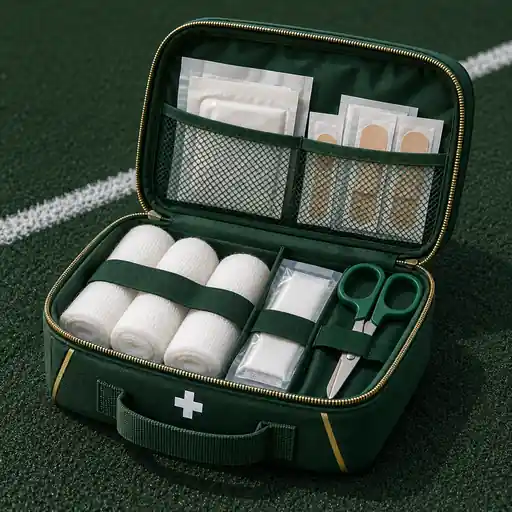
Check the itemised contents and quantities for the exact kit. A display image showing an open bag may include an illustrative arrangement, and similar looking packages can contain different products or amounts. Confirm what is supplied rather than transferring a contents list from another model. Note any components with particular storage instructions or date information, keeping those details available after unpacking. If a listing leaves essential information unclear, resolve it before buying instead of assuming a familiar item is included. Compare a complete kit and a refill package as separate purchases, since the latter may not provide a bag or the same range of supplies. A written record of the actual contents makes future checking and replenishment more precise than relying on memory of the product photograph.
Comparing bags, compartments and access arrangements
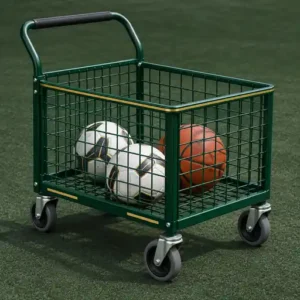
Read the overall dimensions, opening design and compartment information alongside the contents. A larger bag does not automatically mean a more suitable kit, and a compact format still needs an arrangement that lets responsible staff identify supplies. Check the carrying method and how removable components are organised, where applicable. Avoid overfilling a bag until labels or closures become difficult to use. If a kit moves between venues, consider the route, storage position and the other equipment carried at the same time. Equipment Trolleys may support suitable broader equipment transport, but any first aid kit still needs an identified accessible place according to the arrangements made by the responsible people. Do not treat general equipment storage as a substitute for a planned access and management process.
Planning kit responsibility for activities and events
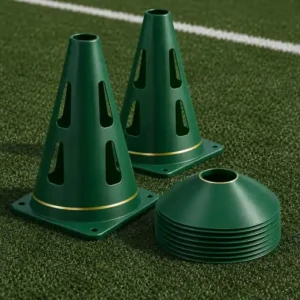
Identify who manages the kit, checks it and knows where it is kept during the programme. Group equipment such as Training Bibs or Cones & Field Markers may move between several stations, but first aid arrangements should remain clear when those layouts change. Consider how a kit is identified at a different venue and how responsibility transfers between staff members. Avoid assuming that placing a bag beside the training equipment is a complete plan. Use the information and appropriate guidance relevant to your actual setting, keeping product instructions accessible to those responsible for the supplies. A purchasing decision should fit into that established arrangement rather than introduce an unlabelled collection whose contents and condition are only examined when someone looks for it during an activity.
Organising stock checks and replenishment
Use the supplied list to check quantities and the relevant product information to assess condition, storage and any stated dates. Establish a replenishment process with the people responsible rather than waiting until a whole kit needs replacing. Keep new supplies identifiable and confirm compatibility or intended use before substituting a different product. Club Equipment Bundles may include a first aid item among other equipment, but the exact kit contents still need to be assessed independently. Where supplies are removed or replaced, update the record so staff do not rely on an outdated list. Store packaging and instructions as appropriate to the products and the arrangement in place. A clear inventory helps purchasing focus on identified shortages without making assumptions about what another pack contains.
Maintaining the bag and stored supplies
Follow the manufacturer's care guidance for the bag and each supplied component. Cleaning instructions for a fabric compartment may differ from storage requirements for the products inside it. Inspect closures, handles and internal organisation, keeping damaged or uncertain equipment out of the ready collection while obtaining appropriate advice. Protect supplies using the conditions specified for the actual products, retaining labels and instructions where needed. Review the kit against its intended setting when activities, locations or responsibilities change instead of assuming the original purchase remains appropriate indefinitely. Compare options at Sport Roos using the itemised contents, dimensions, carrying arrangement and replenishment needs. Choose a kit that can be identified, checked and maintained within the first aid arrangements established by the responsible people for your school, club or activity programme.
First Aid Kits: Retain the supplied contents list with the kit record so replenishment follows identified product requirements instead of relying on an image of another pack.