

No products were found matching your selection.
Choosing training bibs for your group structure
Start with how participants will be grouped during the session. You may need two teams, several rotating stations or separate colours for a particular activity. Count the number of bibs required in each group at the same time rather than buying solely by total pack size.
Read MoreRead Less
Consider who wears them and the clothing normally worn underneath. A product labelled junior or adult still needs its own sizing information checked before purchase. The wider Sports Training & Coaching collection can help organise the accompanying equipment, but bib selection begins with fit and the colour plan. A manageable collection gives staff the right sizes and quantities without requiring participants to exchange unsuitable bibs repeatedly before an activity can begin or a new group can join the session.
Comparing bib measurements and garment construction
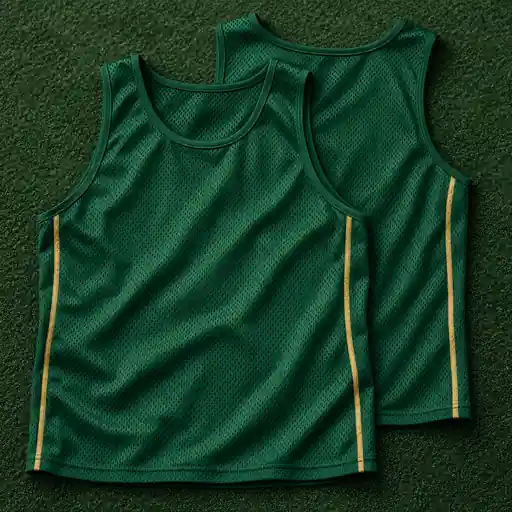
Read the measurements provided for each size and confirm what they describe. A label alone may not explain the width, length or fit you need for the planned group. Compare the shape, openings and any fastening arrangements where applicable, using the listing rather than assuming every bib is a loose sleeveless design. Fabric descriptions also matter when selecting equipment for regular washing and shared use. A mesh appearance in a photograph does not establish the exact composition or care requirements. If several sizes share one colour, plan a way to identify them when distributing the kit. Keep the product details for later replacement orders so a similar looking garment is compared by its actual dimensions rather than assumed to match the fit already used by the club.
Planning colours and package quantities
Assign colours a consistent purpose that staff can explain easily during the activity. Check the number of bibs supplied in each colour and whether a listing is for one piece, one colour set or a mixed package. A display photograph may show several choices without describing the contents of one purchase. If your layout also uses Cones & Field Markers, consider how the two colour systems work together without making instructions unnecessarily complicated. It may be more practical to replenish a specific colour and size than buy another large mixed set. Count the collection before ordering, noting which pieces are missing or no longer suitable. For several coaches working independently, separate complete sets may be easier to manage than one large collection divided differently before each session.
Using bibs in station rotations and team practice
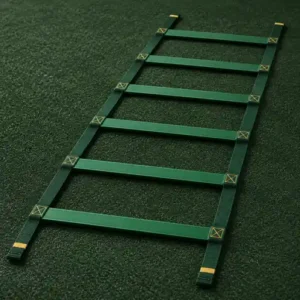
Bibs can distinguish groups while the activity plan determines where those groups work and wait. A session using Rebounders needs clear ball practice areas, while movement stations with Agility Ladders require their own approach and finish. Clothing colour does not replace a clear layout or appropriate instructions. Keep spare bibs at a defined distribution point outside the active routes, and provide somewhere for used pieces to be collected after the session. When groups change, check that the sizes still suit the participants rather than simply handing over a pile of one colour. A straightforward routine helps teachers and coaches prepare the next activity without mixing clean equipment, spare pieces and garments awaiting washing across several stations or bags.
Choosing carrying and storage arrangements
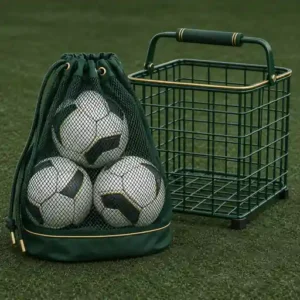
Think about how bibs move between the changing area, practice venue and laundry process. Check whether a bag or other storage accessory is included, and do not assume it is supplied because it appears in a product image. A shared kit needs a way to keep sizes and colours identifiable while allowing used garments to be handled according to their care guidance. Club Equipment Bundles may include bibs among several items, but compare the exact quantities and sizes with what the group requires before choosing a package. Avoid storing damp garments tightly with balls or hard equipment. A practical cupboard or bag system should make the ready collection easy to count and retrieve, helping staff notice a missing size or incomplete team set before participants arrive.
Washing and inspecting training bibs
Follow the washing and drying instructions for the actual fabric and any printed, sewn or fastening details. Do not assume every bib tolerates the same temperature, detergent or drying method. Inspect seams, openings and fabric condition before returning garments to the ready collection, and set damaged pieces aside according to the product guidance. Keep clean equipment separate from items awaiting washing, especially where several groups use the same facilities. Review the size and colour inventory periodically instead of replacing garments only when a session runs short. Compare options at Sport Roos using measurements, composition, package contents and ongoing care requirements. Choose bibs that fit the participants and a quantity that staff can distribute, wash, organise and return consistently through the training programme.
Training Bibs: Record sizes and colour quantities together so a replacement order supports the same group structure without introducing an unsuitable fit into the class collection.