


No products were found matching your selection.
Choosing agility ladders for planned footwork activities
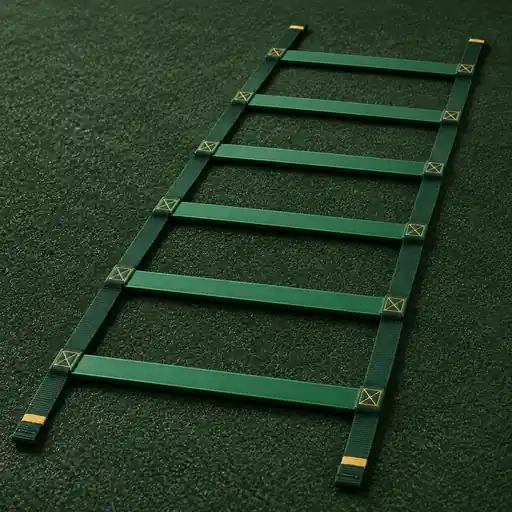
A ladder provides a visible sequence of spaces for movement patterns, so start with the activity and the participants using it. Consider whether the session calls for a short station, a longer run or several parallel lanes.
Read MoreRead Less
The equipment should fit the programme and the available space rather than dictating an unfamiliar exercise. Compare the stated length and rung arrangement before selecting a ladder, and keep the approach and finish clear in your layout. The broader Sports Training & Coaching collection can help organise related stations, but a ladder has a different role from a hurdle or slalom pole. Read the manufacturer's intended use and surface guidance before introducing it into a class, especially where equipment will move between an indoor hall and an outdoor training area.
Comparing ladder length and rung measurements
Overall length tells you how much ground the ladder occupies, while rung width and the spaces between rungs describe the pattern available for the activity. Check those measurements separately rather than judging scale from a rolled product image. Where spacing is adjustable, read how the adjustment is made and retained during setup. A longer ladder is not automatically the better choice if the exercise only uses a short sequence or the venue has limited clearance. Compare the number of pieces supplied in a set and whether connectors or a carrying bag are included. If several ladders need to form matching stations, record their dimensions so later additions can be compared accurately. Consistency is particularly useful when different teachers or coaches prepare the same activity at separate sessions.
Checking the intended surface and setup method
Follow the setup instructions for the specific ladder and the surface where it will be used. Check that straps and rungs are laid as intended and that the surrounding area is free from loose equipment or debris. Do not assume a format suitable for one floor or field behaves identically on another. Consider how a station will be supervised and reset if the arrangement moves during an activity. Cones & Field Markers can help identify the start, finish or waiting area, but keep them positioned according to the session layout rather than creating another obstruction beside the ladder. The full movement route needs more space than the equipment alone. Allow participants to leave the station without crossing another active lane or the area where the next person is waiting.
Combining ladders with poles and hurdle stations
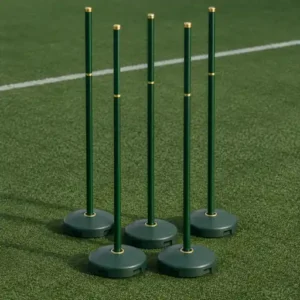
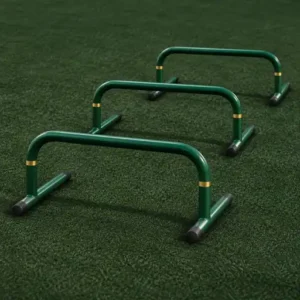
A mixed session can use several types of movement equipment, with each station chosen for a distinct exercise. Agility Poles create an upright reference point, while Speed Hurdles have a different profile and setup requirement. Avoid treating an adjustment to ladder spacing as equivalent to either product. Plan clear transitions between stations and give staff straightforward instructions about the layout. If groups rotate, consider how many participants can use the equipment at once and where the remainder wait. Keep spare pieces outside the movement routes. A smaller number of clearly organised stations may be easier to manage than a long course packed into limited space. Check the complete equipment list before buying so a ladder purchase complements what is already available instead of duplicating a station that does not need replacement.
Choosing quantities and carrying arrangements
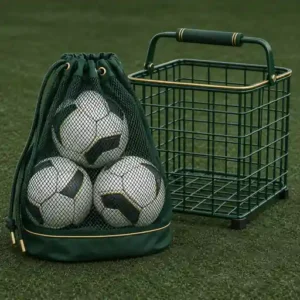
For school or club use, count the ladders required simultaneously rather than only the number of participants in the session. Several smaller groups may need more than one station to avoid long waiting periods. Compare package quantities and packed dimensions, checking whether a carry bag or retaining strap is supplied. A photograph showing multiple ladders may represent different configurations rather than the exact contents of one package. Consider who will transport the kit and whether the rungs fit the existing storage shelf without being bent or forced into a container. Training Equipment includes complementary coaching tools to compare, but keep their carrying requirements separate from the ladder's own dimensions. An organised bag should make it easy to take out the right piece without tangling several sets of webbing together.
Cleaning, inspecting and storing agility ladders
Check rungs, straps, joins and any adjustment fittings according to the maker's instructions. Remove dirt using the permitted method and let the equipment dry as directed before packing it away. Avoid folding or bending components in a way the storage guidance does not allow. Keep the ladder clear of sharp equipment that could damage webbing or contact surfaces inside a shared bag. For several sets, use an identification system that helps staff return the right pieces together and recognise missing components. If a rung or fitting becomes damaged, follow the product guidance before putting it back into a training station. Compare your final options at Sport Roos using dimensions, surface requirements, included pieces and maintenance needs, selecting a ladder that fits both the activity and the way your equipment is handled between sessions.
Agility Ladders: Record the rung measurements and preferred layout with the session plan so another coach can prepare the same station without guessing from a photograph.