















No products were found matching your selection.
Tube Resistance Bands for Portable Resistance Work
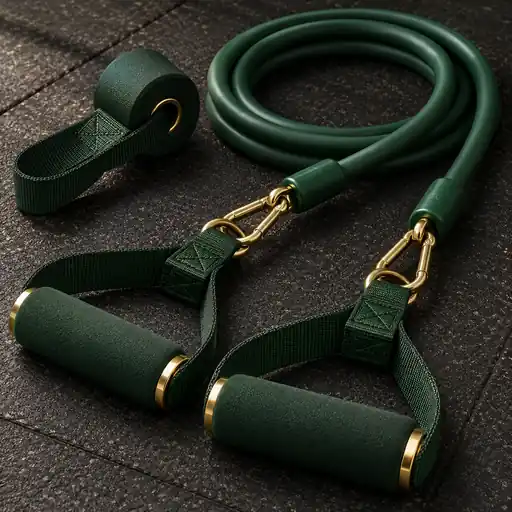
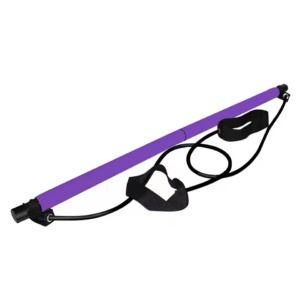
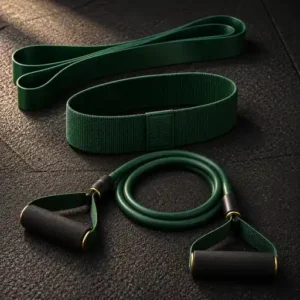
Tube resistance bands use elastic tubing to provide resistance through a planned movement. Handles or compatible attachments can give a defined grip, making this format different from a flat band held directly in the hand. The right setup depends on the exercise, starting length and way the tube is secured.
Read MoreRead Less
Consider those details before selecting a resistance level or a multi piece kit. Explore Sport Roos to compare tubes with loop bands and other training equipment. A portable kit can be convenient for a home room, but it still needs clear working space and an appropriate connection. Choose components that belong to the same approved system rather than assuming every clip, handle or anchor is interchangeable. Explore Resistance Bands to compare portable resistance formats and their setup needs.
Fixed Handles and Clip Based Band Systems
Some tubes have permanently attached handles, while others use clips that connect to separate grips or approved accessories. Each approach has its own adjustment and inspection points. Fixed handles can simplify the number of loose pieces, whereas detachable systems may offer different configurations where the manufacturer permits them. Check the contents of a package and the exact connections it uses. An ankle attachment, door anchor or extra tube may be optional even when pictured with the system. Stacking several tubes together is only appropriate when the product instructions allow that arrangement and the components are rated accordingly. Compare the actual usable configurations rather than selecting by piece count. A kit with fewer well matched parts may serve your routine more practically than one containing accessories you cannot safely use in your space. Compare Loop Resistance Bands when a closed loop format suits the intended movement.
Resistance Guidance, Tube Length and Grip Comfort
The resistance of elastic tubing changes as it stretches. A printed load needs the manufacturer's measurement context, and colour labels should not be assumed consistent across different systems. Check the starting length, permitted extension and resistance range for the exact tube. The relationship between the anchor and user determines tension at the beginning and end of the movement. Choose a level that allows the intended range without exceeding the guidance. Handle size, padding and shape also affect comfort, particularly when used repeatedly or with a damp hand. Look at where the tube connects to the grip and whether any cover changes the contact area. For shared use, keep the resistance information visible and identify each tube clearly so users do not select one solely by colour.
Anchors, Door Attachments and Connection Checks
Use anchors only in the structures, positions and pulling directions described in their instructions. A door attachment requires a suitable door and arrangement; it should not be treated as universally suitable for every doorway. Check the tube, anchor and all clips before loading the system. Connections must close fully and remain free of sharp edges or damage that could affect the elastic material. Keep the tube away from abrasive surfaces and objects that could trap it during movement. Do not improvise a shortened length with knots or unapproved fasteners. Position the station so another person cannot open or disturb a supporting door during use. Allow clear space in the direction of pull and consider the path of a released handle or attachment when planning where people can stand or walk nearby. Consider Suspension Trainers when an approved anchor and bodyweight station suit your space.
Selecting Tubes Around Your Regular Exercises
Write down the movements you want to perform and the anchor heights they need. This helps establish whether a simple handled tube is sufficient or a compatible set provides genuinely useful choices. Consider the time needed to change connections between exercises and where loose attachments will rest. Several resistance levels can serve different movements without requiring a large collection, provided the steps are manageable. A personal kit can stay configured for familiar exercises, while a shared kit needs clear setup guidance and consistent organisation. Check whether the listing includes all components necessary for your plan. If travelling, keep rigid clips separate from the elastic surface so they do not press into it inside a bag. Choose the complete system for its practical fit with your routine, rather than its advertised maximum resistance alone. Compare Cardio Equipment when considering a dedicated machine for repeatable movement sessions.
Caring for Tubes, Handles and Clips
Inspect tubing along its full length before use, including sections near handles, sleeves and connection points. Cuts, cracking, thinning or an unusual change in shape deserve assessment before further stretching. Check stitching, grip coverings and clips separately, and stop using unreliable components. Clean the system with products and temperatures permitted for its materials. Avoid soaking elastic tubing or applying solvents unless the maker specifically allows them. Let the parts dry before packing them away. Store tubes relaxed, clear of heat, prolonged sunlight and sharp accessories. Keep the original instructions available for stretch limits and approved replacement parts. Regular checks help maintain a portable collection whose resistance levels and connections remain easy to identify across repeated home sessions or use by several people.