
















No products were found matching your selection.
Exercise Steps for Structured Movement Sessions
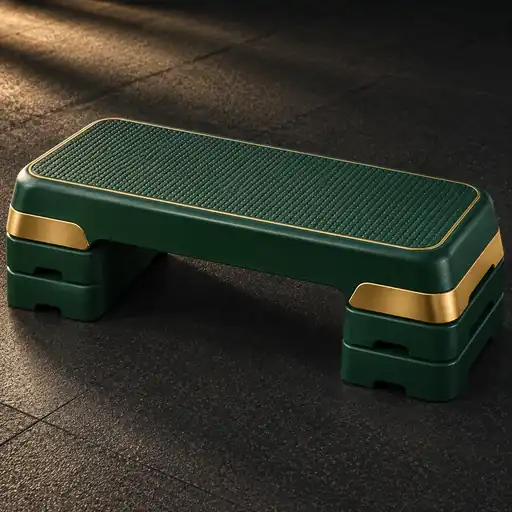
An exercise step provides a raised platform for stepping patterns and other movements permitted by its design. It can form a compact station in a home room or a shared class, but the right choice depends on the intended routine and users.
Read MoreRead Less
Begin with the movements you plan rather than the tallest available configuration. Consider the platform area, height and way the step contacts the floor. Explore Sport Roos to compare steps with other aerobic equipment for your setup. A platform can occupy relatively little space in storage while needing much more clearance during movement. Plan room to approach, step across or away and finish each sequence without entering another person's station or a route used to move around the room. Explore Aerobic Equipment for smaller accessories that suit group or personal sessions.
Fixed Platforms and Modular Riser Systems
Some exercise steps have one main height, while others use compatible risers to provide approved alternatives. The attachment method and permitted configurations vary, so read the instructions for the exact model. Do not combine unrelated risers or stack platforms in an improvised arrangement. Check whether a set includes the risers shown in photographs and how many height options those parts actually provide. The top area can differ substantially between steps of similar height, affecting foot placement and the room required around the station. Compare overall length and width with the usable surface dimensions where both are provided. A folding or compact storage feature should only be used as described. Choose the design around the configurations you will use regularly, rather than the number of components in the package. Compare Cardio Equipment when considering a dedicated machine for repeatable movement sessions.
Height, Surface Texture and Foot Placement
Height changes the movement required to step onto the platform, so select a setting suited to the user and routine. A lower configuration can be useful where learning, repeated movement or several users are involved. The surface should provide appropriate contact for the footwear and activity, but a textured pattern is not a substitute for correct setup or controlled movement. Check the platform's dimensions and edges instead of judging size from an image. A narrow step may create different placement demands from a longer platform. Read the stated capacity and establish whether it applies to every approved riser arrangement. If the step will support another type of exercise, verify that use separately. A platform intended for aerobic stepping should not automatically be treated as a plyometric box or a general equipment support.
Placing Steps on a Suitable Floor
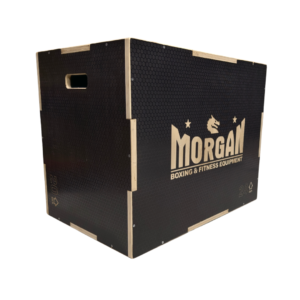
Use the step on a level surface compatible with its base and the manufacturer's guidance. Loose mat edges, debris or uneven flooring can affect stability even when all risers are attached correctly. Keep the working area clear and check that the platform does not move unexpectedly during the intended activity. Allow space around every side used by the routine, including the direction in which a person steps down or changes position. In a class, consider arm movements and the distance between users as well as the platforms themselves. At home, check doors, cupboards and nearby furniture before choosing a location. Avoid pushing a step against an object simply to compensate for an unsuitable base. A clear and consistent surface helps make each station easier to set up and inspect before the session begins. Compare Plyometric Boxes for raised platforms with different height and surface options.
Choosing Steps for Home and Group Use
Think about how many people will use the equipment and whether they need different height settings. A personal step may remain in one configuration, while a class collection benefits from clear identification and straightforward riser changes. Consider the equipment's own mass and how it will be carried between storage and the exercise area. Storage should keep compatible risers with their platforms so the next user can assemble the intended arrangement without searching for missing parts. Compare the time needed for setup with the structure of your sessions. A compact model can be useful in a multipurpose room if it still provides the required working surface. Select a practical quantity and height range rather than crowding the space with platforms that leave too little room for comfortable movement or transitions between stations. Explore Resistance Bands to compare portable resistance formats and their setup needs.
Cleaning Platforms and Checking Riser Connections
Wipe the top and base surfaces using a cleaner suitable for their materials, removing any residue that could change contact with footwear or the floor. Let the step dry before use or storage. Inspect the platform, feet and riser connections for cracks, wear or unreliable engagement. Check the approved arrangement before each session rather than assuming it remains correct after moving or stacking the equipment. Do not use a damaged riser or replace a missing part with an improvised block. Store the step in the orientation permitted by the manufacturer, with components supported and clear of walkways. Keep the instructions available for shared users and future replacement parts. Regular care helps maintain an organised collection and makes changes in the platform's condition easier to notice before a busy class or home routine.