
















No products were found matching your selection.
Plyometric Boxes for a Defined Training Station
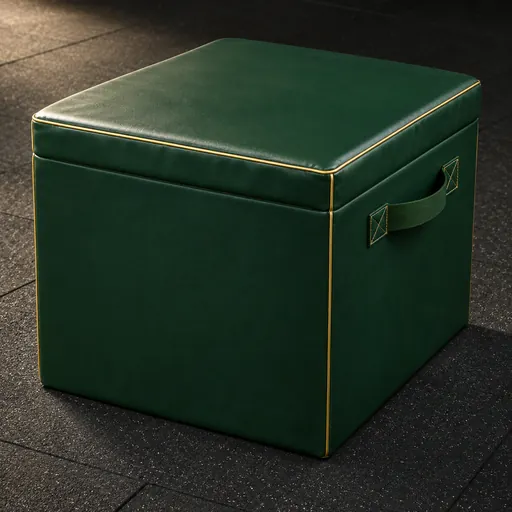
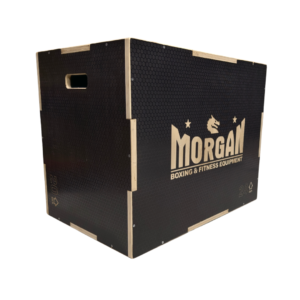
A plyometric box creates a raised surface for exercises permitted by its design, from controlled step movements to suitable jumping drills. Choosing one begins with the task rather than the tallest available platform. Think about the user's experience, the required landing area and how the box fits into the room.
Read MoreRead Less
A platform used for stepping may have different requirements from one used in a coached jumping session. Explore related equipment at Sport Roos to plan a station around those needs. Check the manufacturer's instructions for intended use and capacity before choosing a height. The box should remain stable in its working position, with room to approach, move and step away without entering another person's exercise area. Consider Slam Balls for a separate station using suitable weighted ball drills.
Padded, Rigid and Stackable Box Designs
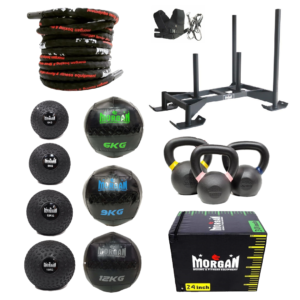
Plyometric platforms can use padded foam constructions, rigid frames or other designs with different support and surface characteristics. Some offer several heights by changing orientation, while others use approved stacking or adjustment components. These formats should be used only in the configurations described for the product. A soft covering does not mean the underlying structure is suitable for every impact, and a rigid frame is not automatically appropriate for every jumping drill. Compare the top area, edge shape and base dimensions as well as height. Stackable boxes need a compatible connection or arrangement that holds the intended configuration securely. Do not combine unrelated platforms simply because their footprints look similar. Read what is included with a set, especially if a photograph shows several boxes at different heights. Explore Medicine Balls when planning controlled carries or appropriate partner exercises.
Selecting Height and a Useful Landing Surface
Height should suit the exercise and the person's ability to approach and finish it under control. A lower platform can be useful for learning movements or using the box for different tasks. The surface needs enough usable area for the intended foot placement, taking account of edges and any taper in the design. Check dimensions instead of relying on a photograph, because boxes with the same height can have very different top areas. Consider footwear and the surface texture without assuming a particular finish eliminates slipping. If the equipment is shared, clearly identifiable heights can help users choose the right station. A range of heights is useful only when each configuration remains suitable for the planned movement and the people using it.
Floor Contact, Clearance and Box Position
Place the box on a level surface that suits its base and the manufacturer's guidance. A loose mat or uneven tile can interfere with stability even when the box itself appears firm. Leave enough space for the user's start position and the intended way of stepping down or finishing the movement. Check overhead clearance in rooms with low beams, lighting or garage door tracks. Keep surrounding floors clear of ropes, balls and loose weights. In group circuits, think about the direction people move between stations so the approach to the box does not cross a walkway. Avoid placing it close to a wall simply to stop movement unless that arrangement is explicitly permitted. The complete training area should support the exercise rather than relying on nearby objects to compensate for an unsuitable position. Compare Weighted Vests if suitable exercises call for carefully fitted wearable resistance.
Choosing Boxes for Home Sessions or Group Training
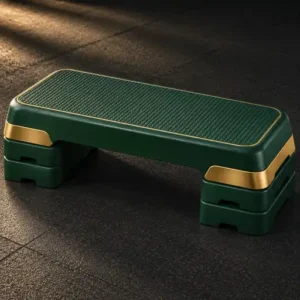
List the exercises and users before selecting a single platform or a set. A compact home setup may benefit from one design with approved height options, while a shared room may need separate platforms for simultaneous use. Check how the stated capacity is defined and whether it applies to every orientation or stacked configuration. Consider the box's own mass and any carry handles if it will move between storage and the training area. A bulky platform can need more handling space than its exercise footprint suggests. Compare storage dimensions and whether nesting or stacking for storage is permitted. Choose the configurations that will be used regularly, with clear instructions for changing between them, rather than purchasing a large set without room to set it up properly. Compare Exercise Steps for stepping platforms with suitable riser and surface options.
Looking After Coverings, Frames and Connections
Inspect the box before use, including the top surface, edges, base and any joining components. Look for damaged coverings, loose fasteners, changes in shape or movement between parts. A padded box with a torn cover or an unreliable stack connection should be assessed before further training. Clean surfaces using products appropriate for the materials and let them dry before use or storage. Avoid soaking seams or applying cleaners that leave a slippery residue. Follow the instructions for moving and storing each platform, particularly where foam or padding needs a particular orientation. Keep the storage area dry and away from sharp equipment edges. Regular checks help preserve a stable, clearly defined station and make it easier to notice wear as the platform is used in different sessions.