















No products were found matching your selection.
Speed and Agility Equipment for Planned Drills
Speed and agility equipment provides visible positions, routes or obstacles for movement practice. Ladders, markers and low hurdles can help organise a session when their dimensions and setup suit the intended drill. Begin with the movement you want to practise and the users who will perform it.
Read MoreRead Less
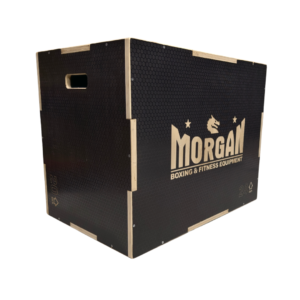
Equipment should support a clear exercise plan rather than create a crowded collection of obstacles. Browse Sport Roos to compare training equipment around that plan. The most useful setup leaves room to start, change direction and finish under control. Consider how people return to the beginning of a drill and where waiting users stand. Those routes matter as much as the space occupied by the equipment itself, especially during team sessions or shared circuits. Compare Plyometric Boxes for raised platforms with different height and surface options.
Agility Ladders, Markers and Low Hurdles
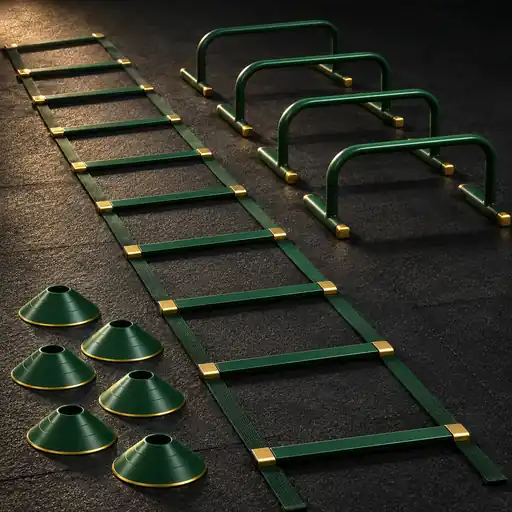
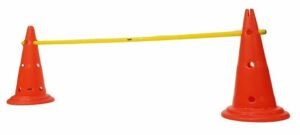
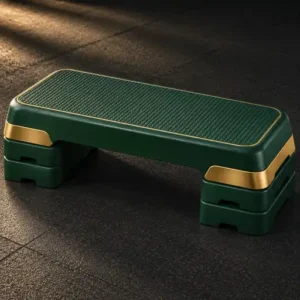
A ladder creates repeated visual spaces for foot placement, while markers can define lanes, turning points or boundaries. Low hurdles add a different movement task and should be selected for their intended use and users. Each format has its own dimensions and surface requirements. Check whether ladder spacing is fixed or adjustable and how the ends are secured as instructed. Marker shapes and profiles vary, so choose them for the activity rather than assuming every cone suits every drill. Hurdle height, width and construction affect the setup and should be checked for the exact product. A package may combine several pieces, but the quantities and sizes need to match your plan. Compare the actual contents rather than choosing only by the number of accessories shown in a photograph. Compare Exercise Steps for stepping platforms with suitable riser and surface options.
Dimensions and Settings for Different Users
Spacing and height should suit the drill and the people using the station. A setup for a short controlled footwork sequence can differ from one used for longer running transitions. Do not assume a particular ladder interval or hurdle height is appropriate for everyone. Where adjustment is available, check how it locks or remains in position. Compare the usable dimensions with the area you have measured, including the route into and out of the equipment. Clear colours and consistent layouts can make stations easier to identify, but colour alone does not establish a universal difficulty level. Choose equipment that can be set up repeatably for the programme. If several groups share it, keep a simple record of familiar arrangements rather than relying on memory or repeatedly changing settings without a plan.
Choosing Surfaces and Clear Movement Routes
Set equipment on a suitable level surface and follow any securing instructions. A ladder that twists, a loose marker or an unstable hurdle can interfere with the intended movement. Check the area for debris, uneven ground and nearby obstacles before starting. Allow room beyond the last piece for slowing down or changing direction as planned. Keep return routes separate from the working lane where practical, and position waiting users so they do not block another station. Indoor rooms need attention to doors, walls and other equipment, while outdoor areas may introduce wind or changing ground conditions. Do not assume an indoor product is suitable for prolonged outdoor exposure. A clear layout makes the drill easier to understand and helps the equipment serve its intended organisational role throughout the session. Explore Skipping Ropes for a compact station based on rhythm and footwork.
Building a Practical Kit for Individual or Team Use
Choose the quantities needed to run your actual drills. A personal kit may use a small ladder and several markers, while a team session may need parallel lanes or multiple station boundaries. More pieces are useful only when there is enough space and a clear purpose for them. Consider the time needed to set up and collect equipment between activities. Storage bags can help organise a kit if their dimensions and construction suit the pieces, but check whether one is included. Keep adjustable components together so missing parts do not delay the next session. Compare ladders, hurdles and markers alongside other functional training equipment to plan sensible transitions. The kit should fit your programme, the available surface and the way participants move between stations, without assuming equipment alone guarantees faster movement or improved performance. Compare Battle Ropes for a conditioning station built around repeated rope movements.
Cleaning, Checking and Storing Training Kits
Inspect pieces before use and after collecting them, particularly where equipment may have been stepped on or moved during a drill. Look for cracked markers, damaged hurdle feet, worn ladder connections or unreliable adjustment points. Clean dirt from contact surfaces using a method suitable for the material and let everything dry before packing away. Avoid compressing delicate components beneath heavier equipment. Coil or fold ladder straps according to the instructions so the next setup begins without tangles. Store matched pieces together and keep quantities easy to check after group sessions. Follow the product's environmental guidance rather than leaving a portable kit exposed indefinitely. Regular care and consistent organisation make it easier to notice damaged or missing items before they interrupt a planned individual routine or team training session.