

















No products were found matching your selection.
Weighted Vests for Suitable Resistance Exercises
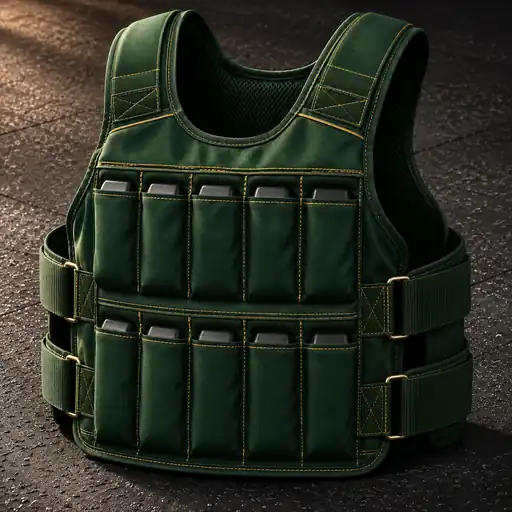
A weighted vest places additional resistance on the body through a garment designed to hold that load. It can be considered for suitable walking or bodyweight exercises where the product guidance and user's programme permit. Start with the intended activity rather than the highest available weight.
Read MoreRead Less
The fit, position of the load and freedom to move matter as much as the number on the specification. Browse Sport Roos to compare wearable resistance with other functional training equipment. A vest should remain correctly secured during the movement without loose components or an awkward contact point. It does not make every activity appropriate for extra resistance. Choose manageable loading and follow the specific fitting and use instructions for the model. Explore Weighted Sleds when planning a dedicated pushing or pulling training lane.
Fixed Loads and Removable Weight Designs
Some vests have a fixed load, while adjustable designs use removable inserts in intended pockets or holders. Check how each weight is retained and whether the total advertised mass includes every supplied component. A vest pictured with plates or blocks may have a different package configuration from another listing. The smallest adjustment and distribution of pockets affect how useful the system will be across different activities. Do not substitute loose weights or unrelated inserts simply because they fit a pocket. The garment and closure need to support the approved components in the specified arrangement. Compare the vest's unloaded mass as well as its maximum configuration if that information is provided. This helps establish the actual starting resistance and the load changes available for regular use. Check Sled Accessories for compatible pulling connections and wearable harness options.
Fit, Strap Adjustment and Contact Comfort
Use the product's measurements and fitting guidance rather than assuming a clothing size provides the right result. Adjustable shoulder and torso sections can change the fit, but their range and fastening method vary. Check that closures remain accessible and that loose strap ends are secured as directed. Consider how the vest feels when bending, raising the arms or moving into the positions required by the exercise. A fit that seems comfortable while standing can behave differently during repeated movement. Padding, edge shape and the position of weight pockets influence contact with the body. Choose a design that allows normal movement and the intended breathing pattern without relying on an overtightened strap. If several users share a vest, make the fitting procedure and permitted weight arrangement clear for each person.
Choosing Resistance Around the Planned Activity
The same added mass can feel different across walking, stepping and bodyweight movements. Select the starting configuration around the task and your current ability to control it. Adjustable resistance can offer useful options, provided the increments are manageable and weights can be secured evenly according to the instructions. Do not assume that a vest intended for one activity is suitable for jumping, running or every floor exercise. Check the stated uses for the exact model. Consider how easily you can put the vest on and remove it without lifting loose weights overhead or disturbing their retention. Plan a stable place to make adjustments before the session. The most useful vest is one whose load, fit and movement clearance suit a repeatable routine rather than a maximum figure you may rarely use. Compare Plyometric Boxes for raised platforms with different height and surface options.
Using Vests in a Home or Shared Circuit
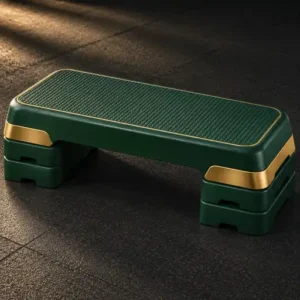
A vest can leave the hands available for certain activities, but it also changes the space and handling required at a station. Check that it does not contact a bench, suspension handle or other equipment in an unintended way. For a group session, allow a clear place to fit and remove it without blocking another user's route. Personal vests can keep sizing consistent, while shared vests need accessible adjustment and clear identification of the loaded mass. Store spare inserts securely so they cannot become loose obstacles. Compare cleaning requirements when several people will use the same garment. If your programme uses other resistance equipment, give the vest a specific purpose rather than combining loads automatically. Each arrangement should remain within the product guidance and the demands you can control. Compare Exercise Steps for stepping platforms with suitable riser and surface options.
Caring for Fabric, Pockets and Weight Inserts
Remove inserts before cleaning only where the instructions call for that step. Use the care method appropriate for the fabric, padding and fasteners, and avoid assuming the complete loaded vest can be machine washed. Let it dry thoroughly before storage, away from excessive heat. Inspect seams, pocket closures, webbing and fastening surfaces for wear. Check inserts and their retainers for damage or movement before every use. Do not continue with a vest whose weights cannot be held securely in the intended positions. Store the garment and spare loads as directed so the fabric is not unnecessarily folded or strained. Keep the model details and fitting instructions available for future checks. Regular care helps maintain a consistent fit and makes changes in the condition of a shared vest easier to identify.