















No products were found matching your selection.
Resistance Bands for Adaptable Training Sessions
Resistance bands provide a flexible way to add resistance without storing a large collection of fixed weights. Their behaviour depends on the material, dimensions and amount of stretch, so the right band should be chosen for a particular movement.
Read MoreRead Less
A short loop used around the legs serves a different purpose from a long band or a handled tube. Start with the exercise and the positions through which it will travel. Browse Sport Roos to compare band formats and related equipment for the space available. Bands can be convenient at home or in a shared room, but portability does not remove the need for suitable anchoring and clear movement space. Choose a setup whose adjustments and handling instructions you can follow consistently. Compare Loop Resistance Bands when a closed loop format suits the intended movement.
Loop Bands, Flat Bands and Handled Tubes
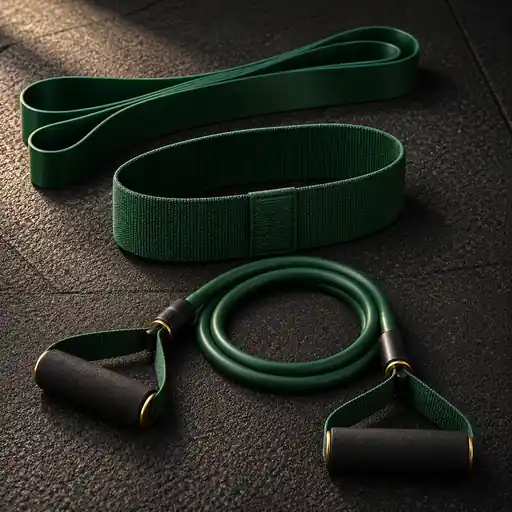
Closed loops, open flat bands and elastic tubes offer different grip and attachment options. Short loops may be intended for movements around the limbs, while longer loops can be designed for other resistance or assistance tasks. Tubes may use fixed handles or compatible clips and attachments. These formats are not interchangeable simply because their packaging uses the same colour or resistance label. Compare their length, width or diameter and the approved uses for each one. Fabric covered and exposed elastic surfaces also have different contact feel and care requirements. If a set includes several components, check how they connect and whether they are intended to be combined. Avoid assuming that handles, anchors or clips from another system can be substituted without confirming compatibility. Consider Tube Resistance Bands for a handled resistance system with compatible connections.
Understanding Resistance Labels and Stretch Limits
A band's resistance changes with extension, so a printed load figure needs the manufacturer's context to be meaningful. Different makers may measure or label resistance differently. Colour coding is not a universal standard, and two bands of the same colour can provide very different resistance. Check the stated dimensions, rating method and permitted stretch rather than comparing labels in isolation. Choose a level that allows you to complete the intended movement without pulling the material beyond its guidance. The starting length and body position influence how much tension is present at the beginning of an exercise. For a shared collection, keep the product information available so users can identify the actual band and its limits rather than guessing from appearance or relying on a familiar colour from another set.
Anchoring Bands and Allowing Movement Clearance
Use only the attachment methods approved for the band and anchor. A sharp edge, unsuitable door or loose furniture point can damage the material or create an unreliable setup. Check how an anchor must be installed and loaded for the intended pulling direction. Keep the exercise path clear so the band cannot rub against another object during movement. Consider where the band and attachments could travel if the grip or connection is released. Position yourself according to the product instructions rather than simply stretching the band until it feels challenging. In a shared room, keep band stations away from walking routes and other moving equipment. A portable kit still needs a deliberate working area, especially when long bands extend behind the user or across a doorway. Consider Suspension Trainers when an approved anchor and bodyweight station suit your space.
Choosing a Practical Band Collection
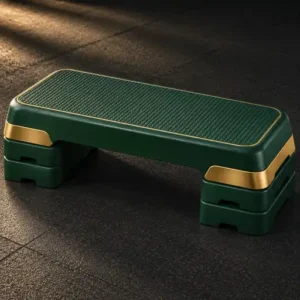
Select bands around a small group of useful exercises and the users who will share them. A lighter option can support controlled practice, while another level may suit a different movement. Large jumps between resistance levels can be awkward even when a set has a high maximum rating. Compare the range, adjustment method and included anchors rather than buying by the number of pieces alone. If you intend to travel with bands, consider how clips and handles will be stored separately from the elastic material. Keep components together and clearly identified. Bands can complement weights or bodyweight equipment when each has a defined role. Check product instructions for any assistance use rather than assuming a long loop is suitable for supporting bodyweight in every arrangement. Compare Exercise Steps for stepping platforms with suitable riser and surface options.
Inspecting, Cleaning and Storing Resistance Bands
Inspect the full length before use, looking for cuts, thinning, cracks, damaged seams or deterioration near handles and connections. Stop using a band with damage or an uncertain attachment rather than attempting an improvised repair. Clean it using the method recommended for its material and let it dry before packing it away. Avoid harsh chemicals, excessive heat and prolonged direct sunlight unless the product guidance permits those conditions. Store bands without sharp folds or contact with abrasive equipment. Keep clips and other rigid accessories from pressing into the elastic surface in a bag. Follow any replacement guidance even when a band still appears usable. Regular inspection is particularly important in a shared collection where handling history may be less obvious and several users may use different stretching positions.