















No products were found matching your selection.
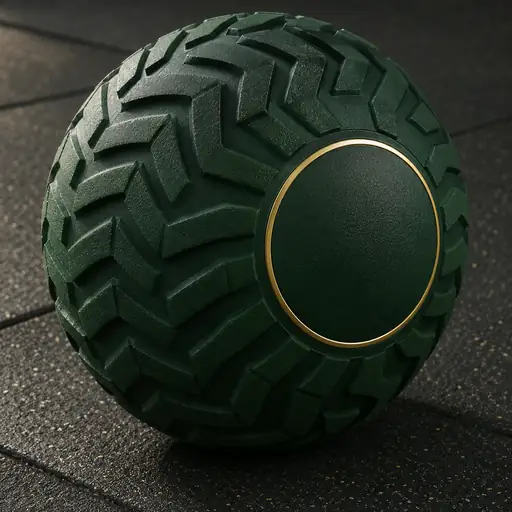
Slam Balls for Purposeful Conditioning Work
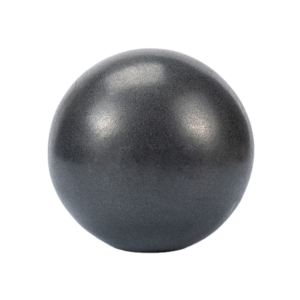
Slam balls are weighted training implements designed for particular handling and impact uses according to the model. They can provide a practical option for a conditioning station or controlled carries, but the category name should not replace the instructions for the individual ball.
Read MoreRead Less
Decide what you want to practise and check that the ball is intended for that activity. A weight suitable for carrying may be too demanding for a repeated overhead movement. At Sport Roos, compare slam balls with other conditioning equipment to build a station around useful exercises. Think about the full movement area and the place where the ball will finish each repetition. This is especially important in a shared room where nearby people may use other equipment at the same time. Compare Battle Ropes for a conditioning station built around repeated rope movements.
Slam Balls, Medicine Balls and Other Weighted Designs
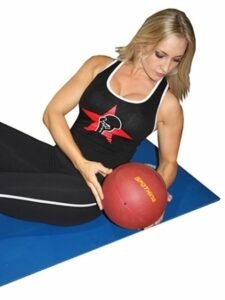
Weighted balls differ in construction, surface and intended use. A slam ball may be designed around controlled impact, while a stitched medicine ball or another weighted format can have different restrictions. Do not assume that similar size or mass makes the products interchangeable. Rebound behaviour also varies, and a ball described as having low bounce still needs to be handled according to its instructions. Check whether the product is intended for floor use, wall work or another specific activity before adding it to a circuit. The fill and outer shell affect how the ball feels and moves, so compare descriptions rather than judging by colour alone. If replacing an existing ball, note its dimensions and approved uses so you can make a meaningful comparison with the new option. Explore Medicine Balls when planning controlled carries or appropriate partner exercises.
Selecting Weight, Size and Grip Texture
Choose a resistance that allows the intended movement to remain controlled throughout the set. A heavy ball may change your starting position, movement speed and ability to retrieve it comfortably. Consider both the exercise and the person using it, particularly where several users share one station. Diameter matters because the ball needs to fit comfortably between the hands or against the body. Textured shells offer different contact feel from smooth surfaces, and deep patterns can require more attention during cleaning. Read the listed dimensions and actual weight rather than assuming every size follows the same relationship between mass and diameter. If your routine uses several loads, choose manageable steps and a clear way to identify them. A useful range gives options for different exercises without filling the room with unused duplicates.
Matching the Ball to the Training Surface
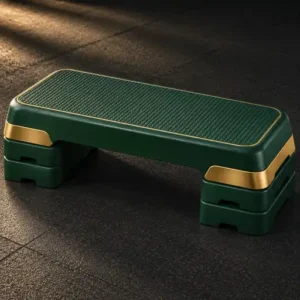
The floor and surrounding space need to suit the planned activity as well as the ball. A thin exercise mat should not be assumed to protect an unsuitable underlying structure from repeated impact. Check the manufacturer's surface guidance and the requirements of the room or facility. Keep the landing area clear of furniture, loose weights and mat edges. Allow space around the user and above the head for exercises that require it. Consider noise and vibration if the room shares walls or floors with other activities. Avoid aiming the ball near another person or treating a low rebound design as proof that it cannot move unexpectedly. A clearly defined station helps users retrieve the ball without stepping into a neighbouring exercise path or across a busy walking route. Compare Plyometric Boxes for raised platforms with different height and surface options.
Choosing Balls for Home and Shared Circuits
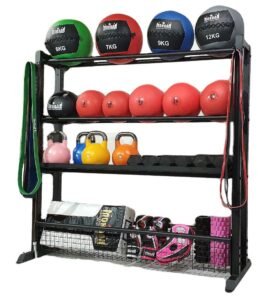
Start with the exercises you repeat most often and select a ball that fits those tasks. In a home room, one well chosen weight may be more practical than a broad set with no suitable storage. A group station may need more than one load so users can choose an appropriate resistance without waiting. Check whether the listing refers to one ball or a package and whether any storage unit is included. Consider how the ball will be lifted from its resting position and returned after a demanding round. Floor storage can be convenient if it remains outside walkways and cannot roll into other equipment. A rack should support the ball's shape and weight as intended. Plan transitions between the ball station and other circuit equipment before deciding where the purchase belongs. Compare Weighted Vests if suitable exercises call for carefully fitted wearable resistance.
Caring for Shells and Checking for Damage
Wipe the shell after use with cleaning products suitable for its material, then let it dry before storage. Remove dirt from textured areas without using sharp tools that could damage the covering. Inspect seams, valves or closure points where the design includes them, following the manufacturer's care instructions. Do not adjust an inflation or pressure setting unless the product guidance calls for that step. Check for splits, leaking fill, unusual deformation or a surface that no longer feels secure to handle. Set damaged equipment aside for appropriate assessment rather than continuing an impact drill. Store balls away from excessive heat, standing water and abrasive edges. Regular care helps preserve the contact surface and makes it easier to identify wear before a busy session or shared class begins.