At Sport Roos, explore rugby tackle bags, tackling dummies and related contact training equipment for schools, junior rugby programs and senior sporting clubs. Compare available designs, sizes, padding materials and intended uses before choosing equipment.
Some tackle bags are designed to be held or supported during drills, while other training dummies are made for freestanding or specialist activities. Always check the manufacturer's instructions and suitability for the intended exercise.
Contact training carries injury risks. Training equipment does not eliminate these risks and should be used under appropriately qualified supervision.
Rugby Tackle Bags for League and Union Training
Rugby tackle bags provide a padded training target for selected tackling and contact exercises. They are commonly used in organised Rugby League and Rugby Union training environments.
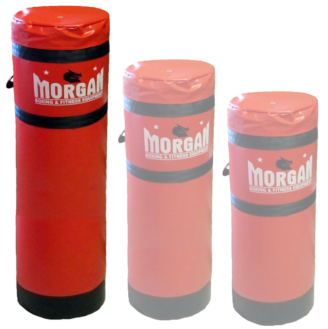
Traditional tackle bags: Padded cylindrical designs can be used in supervised tackling drills, subject to the manufacturer's instructions.
Rugby League tackle bags: Select equipment suited to the age group, training objectives and applicable Rugby League guidelines.
Rugby Union tackle bags: Compare construction, size and intended use for relevant Rugby Union coaching activities.
Junior tackle bags: Smaller or lighter designs may be suitable for selected junior training programs where contact activities are permitted.
Senior tackle bags: Compare available sizes, weight and construction for adult and senior team training.
Club tackle bags: Consider equipment durability, portability and storage requirements when purchasing for repeated use.
Check whether the product requires another person to hold or stabilise it and follow the manufacturer's recommended training procedures.
Rugby Tackling Dummies and Freestanding Training Equipment
Rugby tackling dummies are available in different shapes and configurations for specific coaching activities. They may be designed to simulate a stationary target, provide a padded contact surface or support specialised drills.
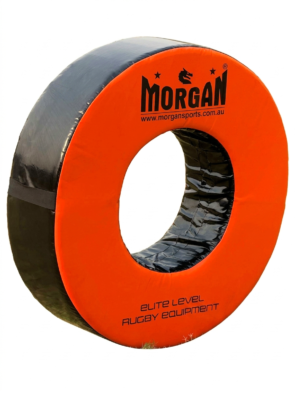
Freestanding tackle dummies: Selected products are designed to stand independently or use a compatible base, depending on their construction.
Upright tackling dummies: Compare the height, padding and stability requirements of the product.
Junior tackling dummies: Choose age-appropriate equipment only where the intended activities comply with junior rugby guidelines.
Senior tackling dummies: Review the product's dimensions, construction and suitability for adult training.
Specialist rugby dummies: Some designs are intended for particular positioning or contact exercises.
Freestanding equipment must be positioned and stabilised according to the manufacturer's instructions. Do not assume that a dummy designed for one type of drill is suitable for every contact activity.
Junior and Senior Rugby Contact Training Equipment
Junior and senior rugby training programs require different approaches to contact activities. Equipment should be selected according to player age, ability, coaching objectives and the rules of the relevant rugby organisation.
Junior rugby equipment: Choose suitable sizes and constructions for the specific activities permitted in the player's age group.
Senior rugby equipment: Compare larger tackle bags and training dummies according to their intended use and manufacturer specifications.
School rugby programs: Check school policies, supervision requirements and approved training activities.
Community rugby clubs: Consider the number of participants, available training space and equipment storage.
Controlled technique drills: Coaches should select activities appropriate to the participants' skill and experience.
Non-contact preparation: Footwork, positioning and movement exercises may be appropriate alternatives when contact training is unsuitable or restricted.
Contact drills should follow the applicable Rugby League or Rugby Union coaching and safety guidelines. Junior players should not be introduced to contact activities simply because tackle equipment is available.
How to Choose and Maintain Rugby Tackle Bags and Dummies
When comparing rugby tackle bags and dummies, consider construction, padding, dimensions, portability and the intended training environment.
Check the dimensions: Select a product with a height and diameter suitable for its intended coaching application.
Review padding: Compare the manufacturer's information about internal foam, padding density and construction.
Inspect the outer cover: Consider the cover material, stitching and recommended cleaning method.
Check handles: Where fitted, inspect the position and construction of carrying or holding handles.
Consider stability: Freestanding dummies may require a specific base, anchoring method or other setup instructions.
Plan for storage: Check the equipment's size and weight before purchasing for a school or club.
Inspect before use: Look for damaged seams, exposed filling, loose handles and other visible defects.
Clean after training: Follow the manufacturer's instructions for removing dirt and moisture.
Replace damaged equipment: Do not continue using products that are no longer suitable for their intended purpose.
Training equipment should be maintained and used as directed by the manufacturer. No tackle bag or dummy can guarantee protection from injury.
Shop Rugby Tackle Bags and Dummies at Sport Roos
Whether you are organising junior rugby training, equipping a senior club or preparing a school sports program, explore the Tackle Bags & Dummies collection at Sport Roos.
Compare rugby tackle bags, training dummies, freestanding equipment and related contact training products where available. Review product dimensions, materials, weight, stability requirements and intended use before purchasing.
For additional sporting equipment, including rugby balls, AFL footballs, coaching accessories and training aids, browse the Sport Roos online store.
Choose rugby tackling equipment that suits your coaching activities, player requirements and available training facilities.