At Sport Roos Australia, explore body and injury support options for different training requirements. Whether you are looking for extra comfort during regular workouts or equipment suited to a particular physical activity, understanding product features can help you make an informed choice.
Types of Body and Injury Supports
Different support products are designed for different parts of the body. The most suitable option depends on the activity, intended use and individual requirements.
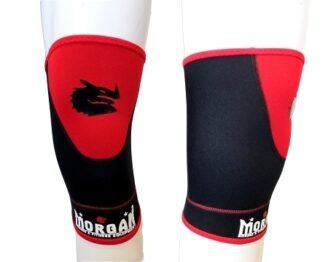
Knee supports: Depending on their construction, these may provide compression or additional stability around the knee.
Ankle supports: Designed to provide varying levels of support around the ankle during appropriate activities.
Elbow supports: Commonly available in flexible sleeve or adjustable designs for comfort and compression.
Wrist supports: May help provide a more secure feeling around the wrist during compatible training activities.
Compression sleeves and wraps: Available in different materials and configurations for specific body areas.
Always check individual product specifications, sizing instructions and intended use before purchasing.
Why Support and Comfort Matter During Training
Boxing and Muay Thai training can involve repeated movements, footwork, conditioning exercises and striking drills. Choosing suitable training accessories may help improve comfort and provide the type of support required for particular activities.
Some athletes prefer lightweight compression sleeves, while others may need more structured products for specific purposes. Material flexibility, breathability, closure design and fit can influence how a support feels during movement.
Support equipment does not guarantee injury prevention or recovery. If you have an existing injury, ongoing pain or uncertainty about whether a support is appropriate, seek advice from a qualified healthcare professional before returning to training.
How to Choose the Right Body or Injury Support
When comparing body and injury supports, consider the following factors.
Body area: Choose a product specifically designed for the joint or area you want to support.
Fit and sizing: Follow the manufacturer's size chart and measurement instructions. A support should fit securely without causing excessive pressure, numbness or restricted circulation.
Support level: Different products offer different levels of compression, flexibility and stability. Select a design appropriate for its intended use.
Materials: Consider breathability, stretch, lining and care requirements, particularly if you expect to wear the product during exercise.
Movement and comfort: Check whether the support allows the range of movement appropriate for your activity.
Manufacturer guidance: Review any restrictions, fitting instructions and recommended usage conditions.
Body Supports for Boxing, Muay Thai and Fitness
Training needs vary across boxing, Muay Thai and general fitness activities. Footwork, skipping, conditioning and strength exercises place different demands on the body, so the suitability of a support depends on the exercise and individual circumstances.
For example, a flexible compression sleeve may feel different from an adjustable support with straps or reinforced sections. Neither design is automatically suitable for every training situation.
Body and injury supports should also be distinguished from protective sporting equipment such as boxing gloves, shin guards and head guards. Each product category has a different intended purpose.
Where pain or injury is involved, professional assessment and appropriate rehabilitation are more important than relying on a support product alone.
Shop Boxing Body & Injury Supports at Sport Roos Australia
Choosing the right body or injury support starts with understanding your training activities, comfort preferences and the manufacturer's intended use.
Explore the Body & Injury Supports category at Sport Roos Australia and compare available products by fit, materials, design and support features.
You can also browse our Boxing & Muay Thai equipment categories for complementary training accessories and protective gear.
Always follow product instructions and seek professional advice when selecting equipment for an existing injury or medical condition.